
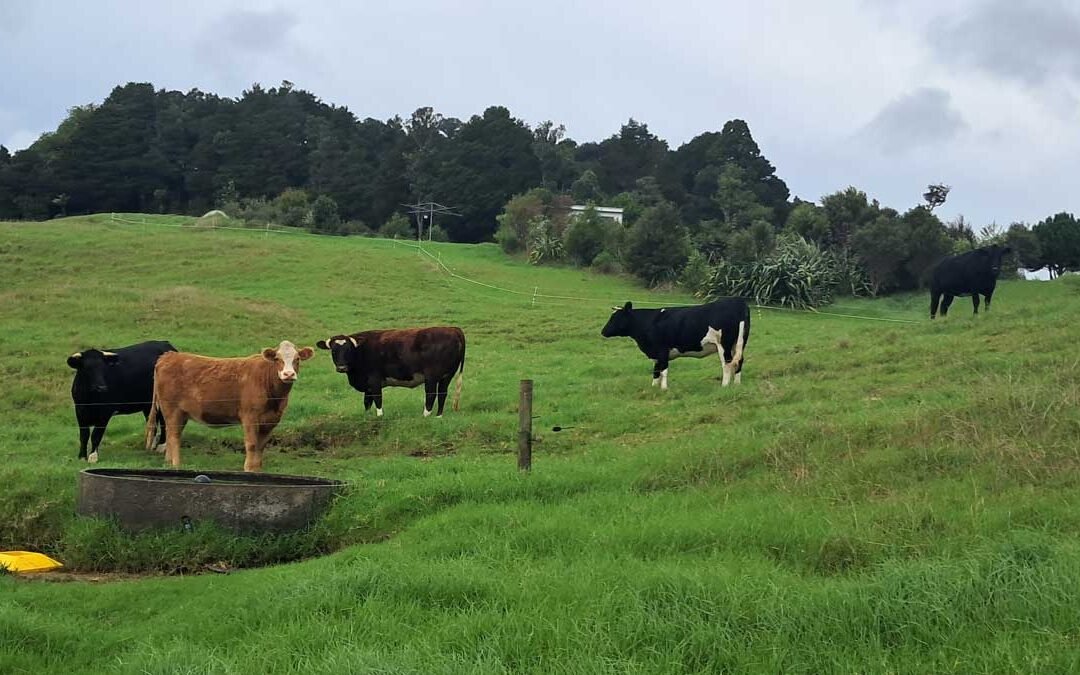
Earlier this week, we sold our fourth herd of cows to Silver Fern Farms for processing. This whole post is going to be quite frank, so yeah, we sent them off to become meat.
And it turns out that in over 280 published posts on this website and 4 herds of cows, I've never really talked about this part of our lives or the numbers driving these decisions.
In a goodbye post to our first herd, I wrote from the perspective of someone who was about to send their cows off for the first time. And I've introduced you to each subsequent herd as they show up (second herd, third herd, fourth herd).
But I've never got into what it's like once we get the statement (literally called a 'Kill Sheet') that tells us how much they weighed, and how much we'll be paid for them.
There's a good reason: I'm scared of angry vegans. I don't really want the blow-back from people who think these cows should live their lives here forever until we—I don't know—bury a 20-year-old cow.
As much as I enjoy a lot of vegan food, and absolutely respect your life choices, this particular topic is one I've been avoiding until now.
And I don't believe staying silent about it honours our animals either.
The philosophy
Here's the thing: I don't believe cows should be on at least half the land they live on—including ours—at all.
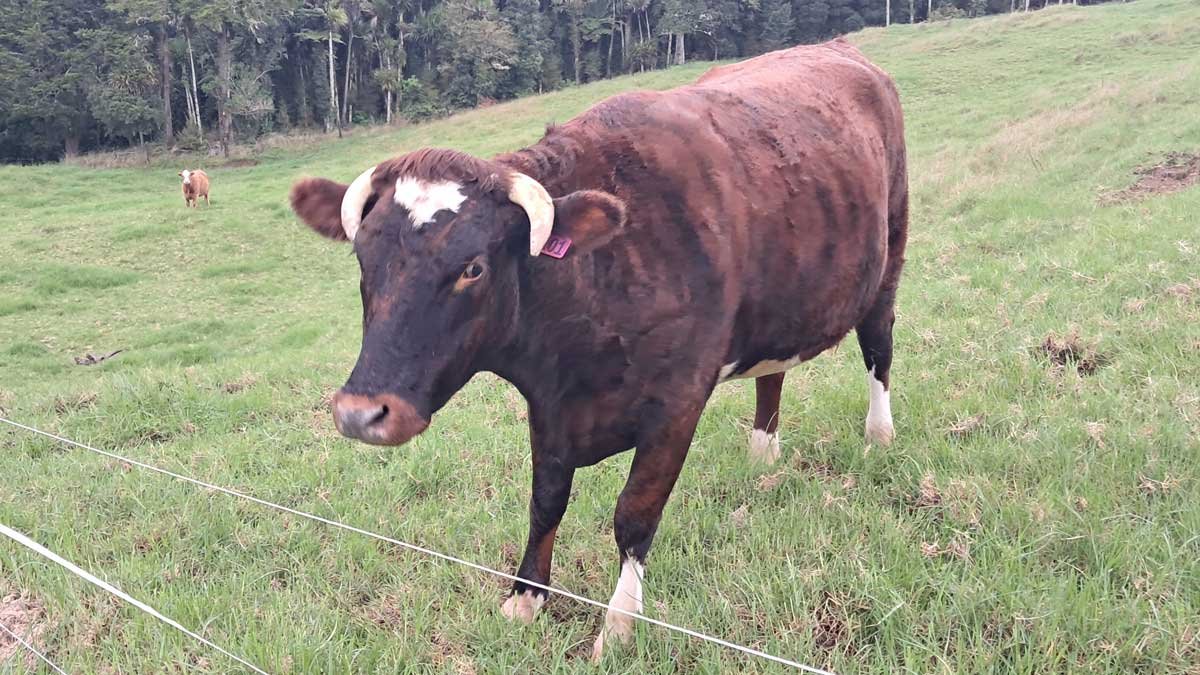
In a natural environment, cattle roam. That reduces their impact on any one parcel of soil. So when they live for 20 years, they don't destroy land as they grow.
But in farming they are fenced-in. They're contained to paddocks where they cause soil compaction and erosion that only gets worse the bigger they get.
Nobody wants a herd of wild cattle roaming their subdivision or city parks. We literally have laws and local by-laws to prevent roaming stock. So that's the way it is.
There's a maximum weight this land can tolerate, and it happens to coincide with the range for prime beef. And yes, the paddocks do need grazing.
It's impossible to move in paddocks with overgrown vegetation. Ticks live in long grass. It's a fire hazard, and it slowly eats infrastructure like fences, boundaries, and water lines.
Buying them young, giving them a nice life, and then turning them around in a couple of years is the compromise we make to be able to do much of anything at all around here.
We keep our herd much smaller than we have land to support, and we just try to get on with things.
The ultimate goal is to remove them entirely. Replace them with trees. But we're not there yet.
Where they go
In our time here, we've sent a total of 15 cows to The Works (the second herd were sold alive at auction). On the scale of an average farm, that's nothing. A real farmer is probably falling off their seat laughing at that statement.
Our first herd went to AFFCO. The third and fourth herds went to Silver Fern Farms. The current regulations mean those are my choices. Selling direct to consumers involves a lot of regulatory processes. We'd need a private abattoir that I've failed to find on nights down a Google-hole looking for a better way.
I'm aware of the reputations of both companies. The choice to switch came from our agent rather than from us. But this is the market and we are very, very tiny fish. We have to go with the flow.
I'm also aware that the regulation is changing, and I'm keeping an eye on that. If I can sell our cows to you, my readers, in the form of prime steaks and mince at a price we are both happy with? I am absolutely interested in that.
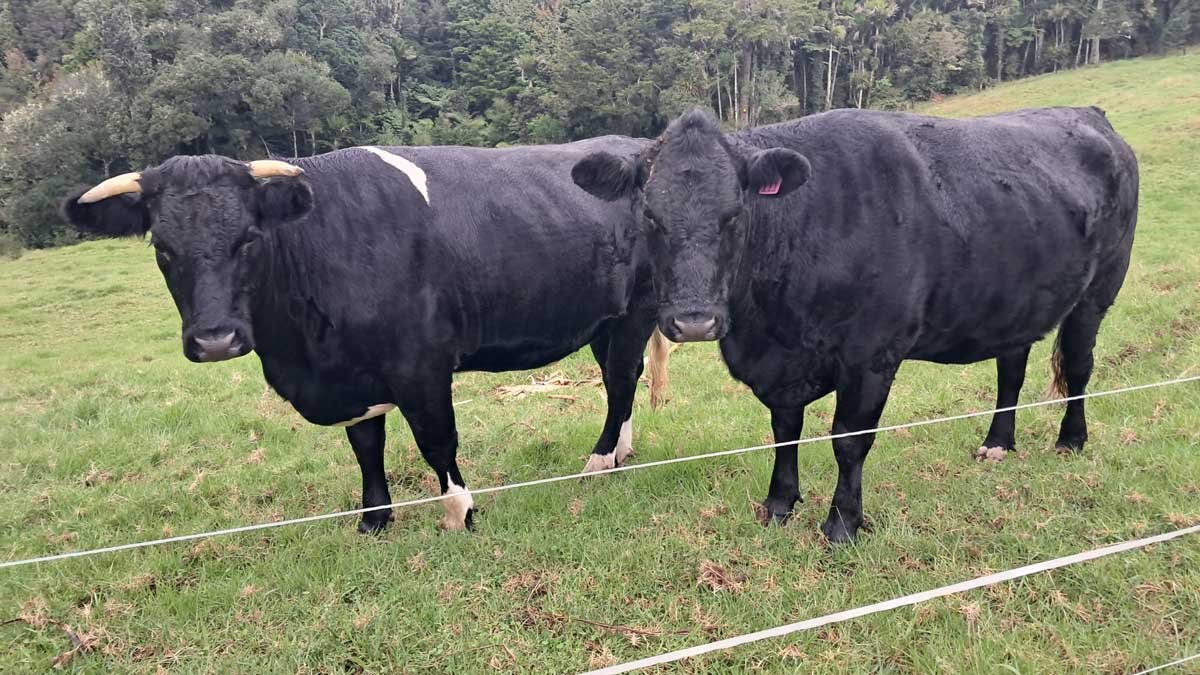
But the process we've been using since 2020 looks like this: we email our stock agent and tell him we have cows to sell. He pops round and says something like "look at the brisket on that one!" Then he tells us the current pricing, hands us some forms, and drives off again.
Within the week, he gets them scheduled onto a truck. The exception was the second herd, who couldn't be processed due to ongoing lockdowns and resulting backlogs in Northland and Auckland in 2021. But things usually move fast once we make contact.
Then we've got those forms to fill in before we deliver them to the stockyards for pick-up.
The paperwork
Once they're scheduled to go, I need to submit my ASD ("Animal Status Declaration"), which is a legal requirement. This states who they're leaving from (me), where they're going to (the processor), and who is transporting them. It includes the NAIT number associated with me and this farm as a whole, and then there's a bunch of declarations.
Stuff like do we have tuberculosis on the farm? Have we used any microbial agents or hormones to promote growth? Are they within the withholding period for any drenches?
For the first couple of herds, this was a literal piece of paper. We'd drive up to see them off, and hand it over.
This time, I submitted the forms from my phone the afternoon before. In the morning, we drove the cattle up to the stockyards before getting on with our day. There's enough grass in there to keep them happy for a few hours.
The carrier picked them up with no fuss or need to talk to me at all!
The money
Early on, a beef farmer friend of ours advised us to sell the whole cow and buy the cuts of beef we liked to eat.
Circumstances mean we've never found the right spot for a freezer capable of holding any real amount of anything, let alone an entire cow. Whether we actually wanted to or not, we've followed his advice.
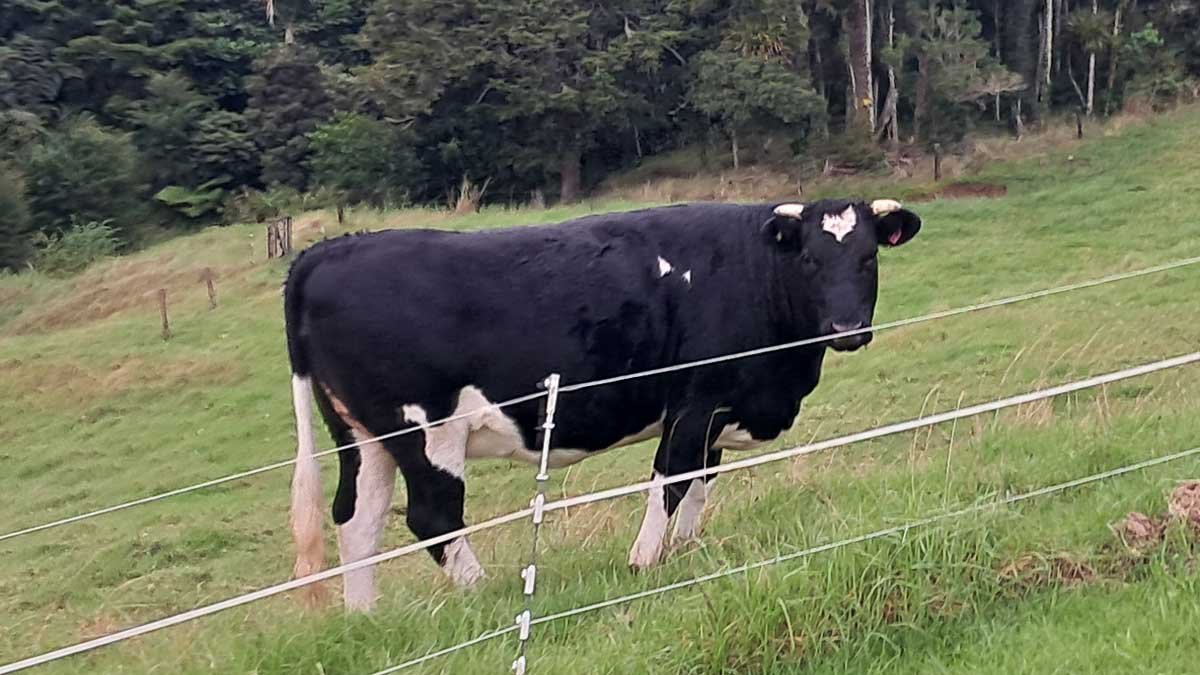
The first herd of cows paid for Roxy. Her initial needs like vaccinations, puppy school, and all the accessories a new puppy needs. They also paid for some driveway maintenance; and funded a herd-expansion.
The second herd of cows paid for more driveway maintenance; and a new fridge when our original one died during Cyclone Gabrielle.
The third herd of cows paid for even more driveway maintenance; a whole pile of fence maintenance and upgrades; getting our water tank cleaned; and a decent chunk of Roxy's operation when she injured her cruciate ligament.
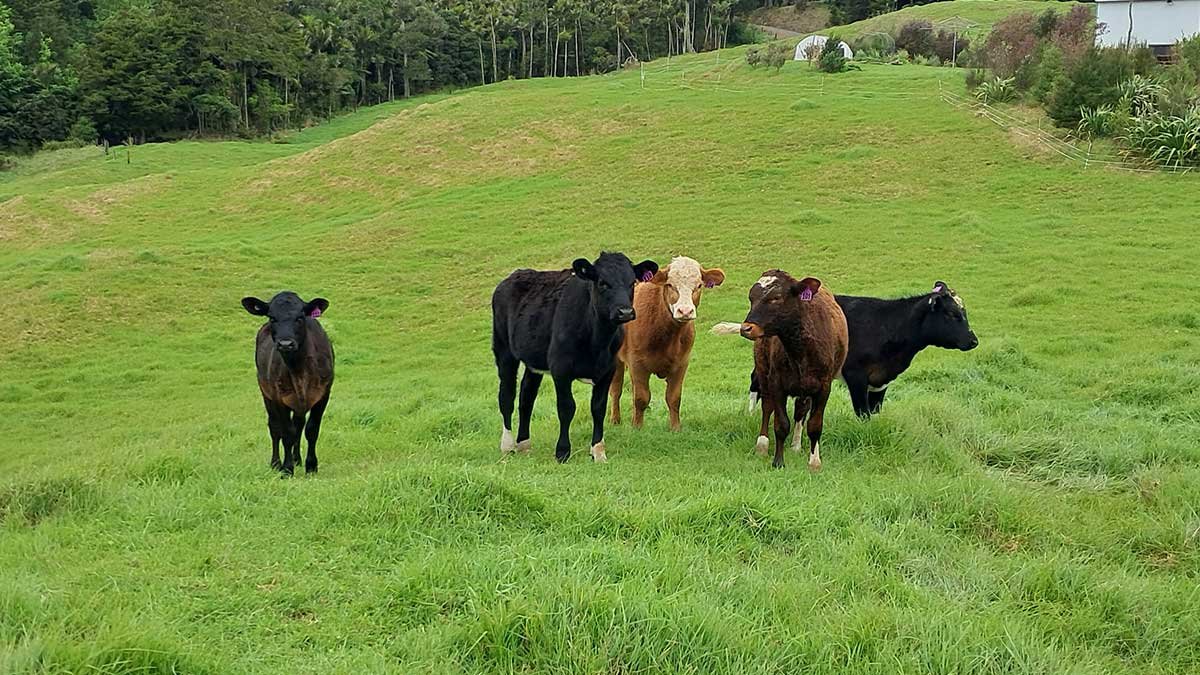
So financially, they are very helpful. We are by no means full-time farmers and their needs are pretty low.
In terms of general costs we have a few salt blocks each year to keep their minerals balanced; some trough maintenance; some fence maintenance; gorse and weed control; and they usually get drenched when they arrive.
Selling them at auction comes with costs (agent fees, yard fees, transport fees). When you sell straight to the meatworks, there is a different set of fees related mostly to the beef industry, but you don't have to pay for the transport, or the agent.
You just get paid.
This herd needed to be sold now because we keep having to drain our savings accounts at the vet. First Roxy, then our cat Sabre needed after-hours care over Easter.
We're at the thick-end of $10,000 in veterinary spend alone this year. That needed recouping, prices were good, and the cows were pretty much ready to go.
2026: the anomaly
When we went to sell our cows, the numbers we were seeing floating about were about $9/kg.
To illustrate how absolutely wild that is to an audience who (I assume) mostly don't buy and sell cows, I dug up our numbers on how much we got paid for the first three herds.
| Herd 1 2 steer 2 heifer | Herd 2 6 heifers | Herd 3 6 heifers | Herd 4 5 heifers |
|
|---|---|---|---|---|
| Arrived: | Before us | October 2020 | January 2022 | September 2024 |
| Purchase cost/head: | $1,000.00 | $552.00 | $483.00 | $663.84 |
| Left: | September 2020 | November 2021 | May 2024 | April 2026 |
| Destination: | AFFCO | Kaikohe Stockyards | Silver Fern Farms | Silver Fern Farms |
| Average weight: | 262.5kg (meat) | 447.5kg (live) | 270.7kg (meat) | 257.2kg (meat) |
| Price per kilo: | $5.30 | $3.20 | $6.00 | $9.15 |
| Total: | $5,764.83 | $8,580.00 | $9,744.00 | $11,766.90 |
| Assorted fees: | $145.80 | $378.13 | $214.44 | $187.95 |
| Profit/head: | $404.76 | $814.98 | $1,105.26 | $1,651.95 |
Notes: Live and meat weights are slightly different measures. Herd 2 was approximately the same physical size as all the other herds, just sold a different way, and therefore affecting the per-kg price.
Purchase cost includes all associated fees and GST.
Our first herd came with the property as part of the overall purchase price, and $1,000 each is the initial value Richard and I generally both agree on between ourselves.
"Profit" in this table is final payout − (original purchase price + assorted fees) = profit. It does not include maintenance costs over the lifetime of the cattle.
Now, that doesn't include income tax (which does get paid), so we take less than that when all was said and done. And each payout pays for the next herd of cows, so it's not like all our problems are immediately sorted.
But it's tidy. Worth the effort and emotional toll. We began calling the cows "savings accounts" sometime around 2022. They turn grass into money, and have a considerably better return than most investments.
But the piece I most want to highlight from that table is the increase in the price paid to farmers in 2026. Looking along that bottom line, you can see it clearly. Despite having one fewer cow this time round, they made absolute bank.
The per-kg meat price has increased by 50% in the last two years alone. The first time we were told $5.30 was pretty good. $6 felt comparatively great at the time. $9.15 feels like a giant relief quite honestly, but a mind-boggling one.
I'm not complaining, but it's confronting as a person who is still buying their meat off a shelf.
It's a rise that we maybe shouldn't ignore when talking about the price of our food. The first three rates were pretty good at the time, but this year? That's a huge jump.
Probably caused by a lagging supply, and increased demand from somewhere. And it affects the prices paid by the end consumer domestically.
The feelings
This is where things get a bit tough. If I didn't feel something when sending the animals I've spent years raising off to their end, then I'd consider that a problem. Of course I'm conflicted!
And it's probably the main reason I've never come back and written a piece about this in the past.
There's always a bitter feeling in my stomach when the Kill Sheet comes in because it means the cows are dead. We only know how much the carcass weighed because they are now a carcass.
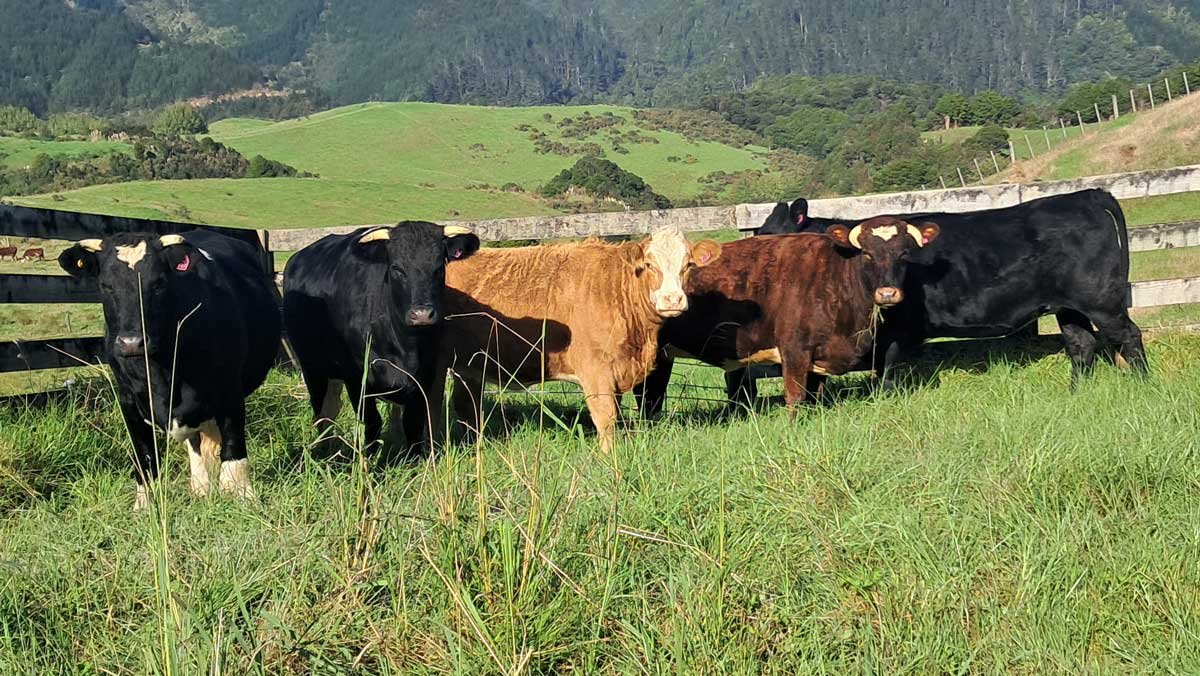
Only the third herd were so bad I was glad to see the back of them. But even then I was sad to have played my part in the process that puts them on plates around the globe.
This week I was prepared for it. I knew what was coming and how I'd probably feel about it.
The feelings are still there, I'm still feeling a bit stink about killing things I've cared for. But repetition and knowing what was coming has helped detach myself from it. The truth is it was easier this time than it was last time.
And it'll probably be even easier again next time.
READ NEXT
Surprise cows
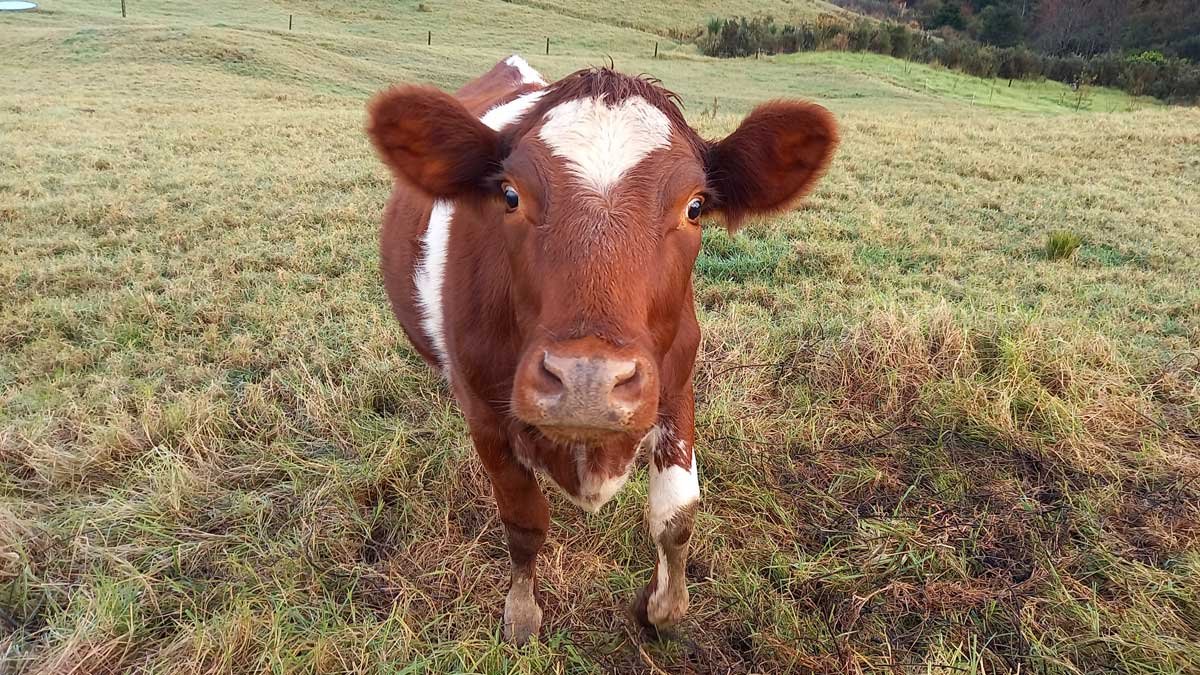
After selling this herd, we had to buy more. But how they turned up was a bit of a surprise!
READ NEXT
The hypothetical house cow
With dairy prices rising, I consider the idea of getting one of our cows pregnant and milking her.
READ NEXT
Spare cow
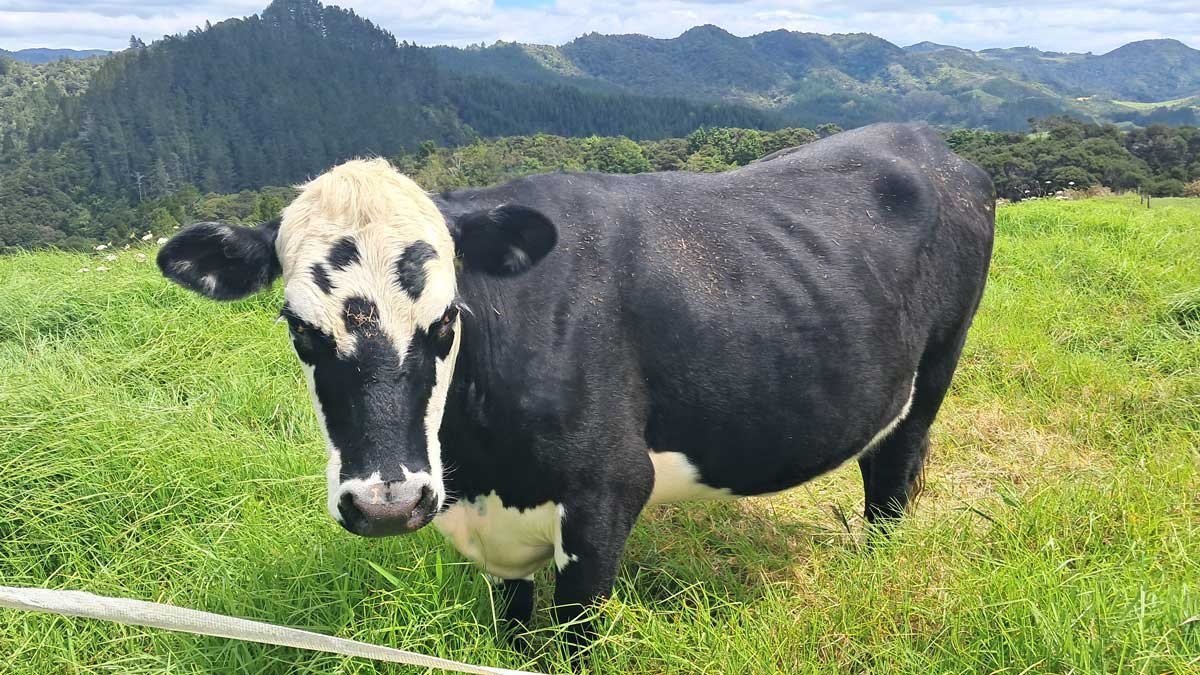
That time a mystery cow from somewhere else joined our herd, and we found ourselves examining our morals.
Related content: agriculture · animals · beef price · cattle · cost of living · cows · death · drenching · electric fence · ethics · farming · fences · freezing works · heifers · inflation · investment · kill sheet · livestock · NAIT · stock agent
Stay in touch?
The Kat's Garden newsletter gives readers an extra peek behind the scenes. It's the best way to know when new posts go live, and what's happened since.
If you like what you've seen, join us and see what we learn next.




And you are going to feel the pain of that gain when you purchase your next ‘herd’. Prices are crazy high, and who knows where we will be in 18mths. Out of pocket if it plummets, happy high when they sell. It’s quite a challenge, that’s led me to buying cows, getting them in calf so we breed our own.
My neighbours used to sell us a couple of weaners at going rate each year to grow, last year nothing turned up. On query they said ‘sorry, they were worth so much as 4day olds, we sold them all’. So next year I have nothing to sell, no income to offset hay and silage.
Yep, absolutely. We felt that pain when we bought this herd. It’s why we reduced a head. Our agent indicated prices are “better” right now, but he never really elaborated on what “better” meant in financial terms. So we’ll wait and see what he turns up for us. We don’t buy in any additional food, and we’re prepared to wait a few months over the wet season if it takes a while (or pounce now if it’s as good as it gets). But this is a valid point, there’s also a story in the purchase-price line of the table! Breeding is a solid way to turn, there’s clearly demand. Are you using a bull or AI?
Hi. How much land do you use for your 5 or 6 heifers? What was your reasoning for keeping them longer than a year from January 2022? Thanks
Hi Lynette, effectively it would be around 5-6Ha. There’s a further 3-4Ha we could use, but don’t graze as the fences are much harder to maintain effectively.
The first and second herds were older when we first got them. So the first herd was already about 18 months old when we arrived here and they got pretty large. The second herd were about 12 months old, and grew to the right weight sooner. The most recent two herds were younger (4 and 6 months old I think) when they arrived, so they needed more time to grow than the first two herds.