

This post first published April 4 2020, and updated in 2026.
Getting a garden started doesn't have to begin with a trip to the garden centre. You don't always need a big stack of seeds or seedlings. Sometimes you can grow perfectly good plants from ingredients that are already in your kitchen.
The picture above shows 16 different foods. I found them in my pantry, my spice rack, and the veggie drawer of my fridge. All of them can be used to grow more food.
You might think we've disabled the growth-potential of the seed somewhere in the food production chain—and sometimes we have. But many of the seeds in your kitchen produce perfectly edible plants if given the chance.
In fact, if it doesn't work, it's more likely they've been sitting in your spice rack or pantry for so long they've lost their viability.
Jump to section
1. How it grows matters
2. In the spice rack: coriander/cilantro, mustard, fennel, dill, chili and more.
3. In the pantry: lentils, beans, popcorn, peanuts, chickpeas, chia, potato, kūmara, garlic, ginger, onions, pumpkin, and pumpkin seed.
4. In the fridge: leeks, spring onions, celery, capsicum/bell pepper, tomato, carrots
5. A note on fruit
How it grows matters
Just because it can grow, doesn't mean it will grow right now. Each plant has its preferred growing conditions. Coriander seed will enjoy wetter, cooler conditions, while potatoes will die if touched by even a light frost.
Tomatoes, capsicum, and pumpkin need a long warm season ahead of them. While garlic will benefit from cool temperatures during the growing season.
It also might not grow in that spot. You can grow a new spring onion or kūmara greens inside on a windowsill, but potatoes and pumpkin need significantly more space.
So it pays to do some research into how to grow each thing, but in many cases you have the resources in front of you right now to get them started.

In the spice rack
My spice rack probably isn't as varied as others, but I still found some things to grow.
Leaves and ground powders aren't going to be much use to you. When you're looking through here, you're looking for unprocessed, whole seeds.
Black peppercorns won't work as they're processed. Whole All Spice or Mace probably won't get you far either. But whole coriander, fennel, dill and mustard seed just might.
Coriander
Best grown from autumn through spring. They are likely to go to seed in the dry hot temperatures of summer—but that's not a bad thing because that's how you re-stock your spice rack!
If you have coriander seed and like a bit of fresh cilantro, get a handful into some soil and see what happens!
Coriander is totally happy in containers and will grow indoors and outdoors. It will take up to a month to germinate, so be patient.
Mustard
Mustard makes a good salad green when you eat the baby leaves—it'll give your salad a bit of a punch.
Sow thickly in a seed tray. When it has 6-8 leaves per plant, use scissors to take the leaves without disturbing the base. You should be able to get multiple harvests from your tray.
In the garden, mustard can also be a good green manure crop. Sowing it for the purpose of putting it back into your soil will improve your soil's ability to grow next season.
More info on growing mustard here.
Fennel and dill
Dill makes a really great companion plant in the garden. It's a good herb to have on hand when pickling, and its flowers attract beneficial insects.
Fennel, on the other hand, makes a terrible companion plant. It's a bit of a nigel no-mates and actively deters the growth of nearby plants.
The beneficial insects are keen on its flowers, but fennel tends to enjoy its own company. Of course, fennel can produce fennel bulbs, which are delicious. The entire plant is edible and it's pretty happy in marginal land and poor soils.
So find a spot for it away from anything else important and all by itself and grow it there.
Both dill and fennel will grow in containers and can be planted throughout the year.
Whole chili/chili flakes
If you have whole chilies or chili flakes, you probably have chili seeds.
These can be started indoors for growing outdoors in summer. Or if you have a very warm and sunny indoor spot or green house, you can try it in there over winter.
Other things worth trying
Cumin, poppy, sesame, caraway, and celery seeds are all seeds too.
They might have preferences around what kind of climate they prefer, but they will grow cumin, poppies, sesame, caraway, and celery.
In the pantry
I found quite a lot to grow in my pantry. Like the spice rack, I'm looking for seeds. But unlike the seed rack, sometimes the 'seeds' are a bit harder to recognise.
Dried lentils, dried beans, popcorn, whole raw peanuts, and dried chickpeas
All of these are seeds. You're eating a seed. They're all summer plants.
Chia seed
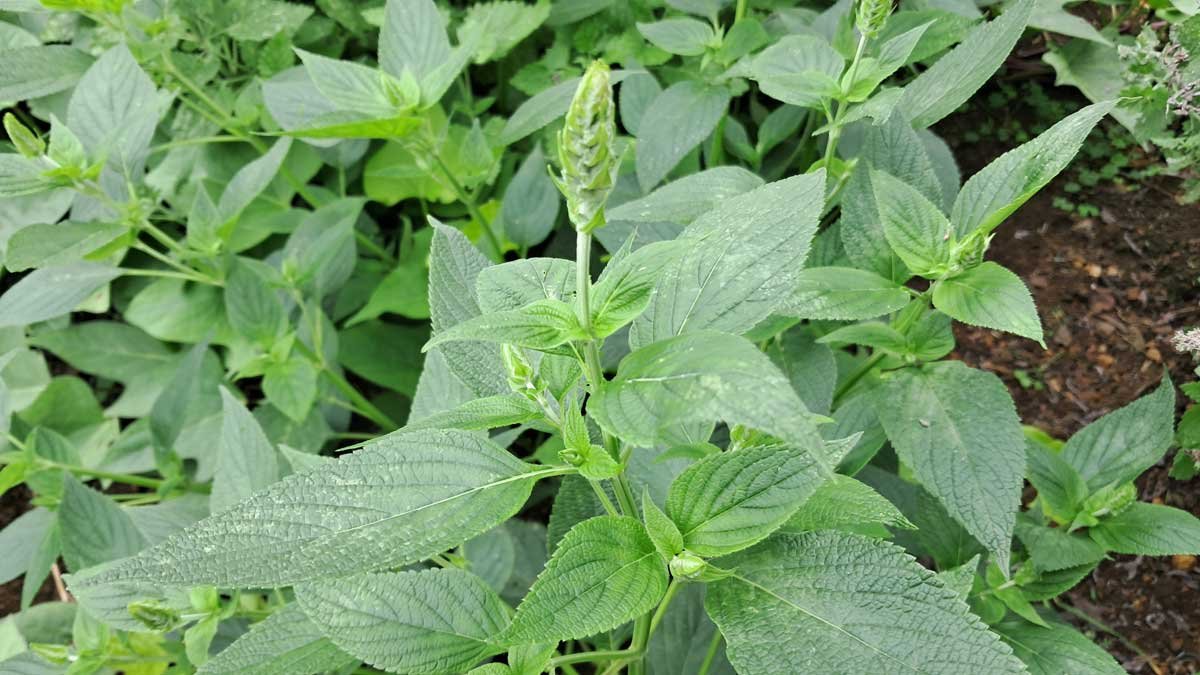
Last summer I threw about a quarter of a teaspoon of chia seed into the garden to see what happened. We have waited all summer to see any flowers (which ultimately produce the seed).
When I went to take a photo to add to this post, I discovered the flower buds have begun!
So if you eat chia seed, this could be something worth trying. Be warned it does grow quite large, and apparently it takes a really long time.
No doubt I'll write a longer post as we actually get some results from it, so stay tuned!
Potato
Ideally, potatoes should be grown from certified seed potatoes. These are proven free from disease, which is not the case for the bag you picked up in the supermarket.
Growing this way risks the introduction of disease into your garden, and you should be aware of that before you begin. All that said, the potatoes in your pantry will grow more potatoes.
The ideal time to plant potatoes is after the frosts have past, but in Northland I've planted starting in July.
Depending on the variety, they take between 70 and 150 days to mature. Agria will take 90-120.
Potatoes totally grow in containers too. So hold onto the ones that are wrinkled with eyes and roots to grow more later.

Kūmara
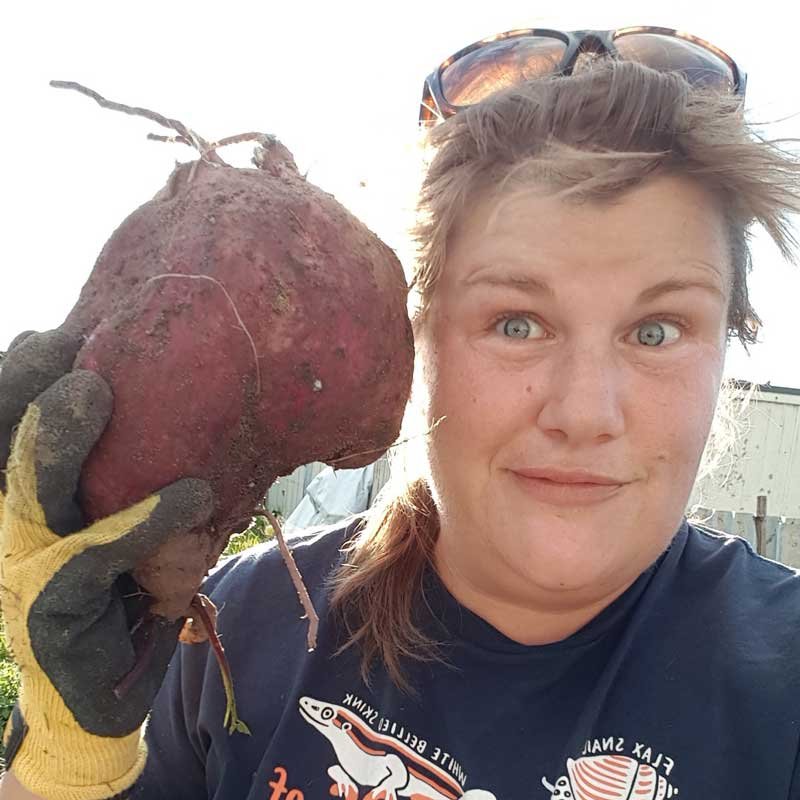
If you have a kūmara in the pantry, you can plant it and get fresh greens over winter. In summer, you can also grow more kūmara. Both the kūmara shown above were grown from a $1.60 supermarket kūmara. The best ones to use are the ones right at the back of the pantry with sprouts, but a fresh one will do too.
For fresh greens now, take a 2 litre icecream container. Drill, or use a nail to put some holes in the bottom. Half-fill it with a mix of sand and potting mix (whatever you have will also probably work fine). Place half your kūmara in the soil, with the shoots facing up (if you have them). Half the kūmara should be above the soil. Water every 2-3 days.
The leaves of the kūmara shoots are edible as a salad green. When grown on a sunny windowsill, they seem to grow almost infinitely. The one shown above has been going for 9 months now and doesn't look like it's going to slow down any time soon. They're also a fairly low maintenance houseplant and only need watering every 3-4 days.
Garlic
Every clove of fresh garlic has the potential to become an entire bulb if given some soil and time. Garlic can go in the ground between mid-April and late June, and will grow in containers. It takes about 6 months to complete its growth cycle.
Prepare your soil as best you can. Some lime, blood and bone, compost, or manure are all good additives.
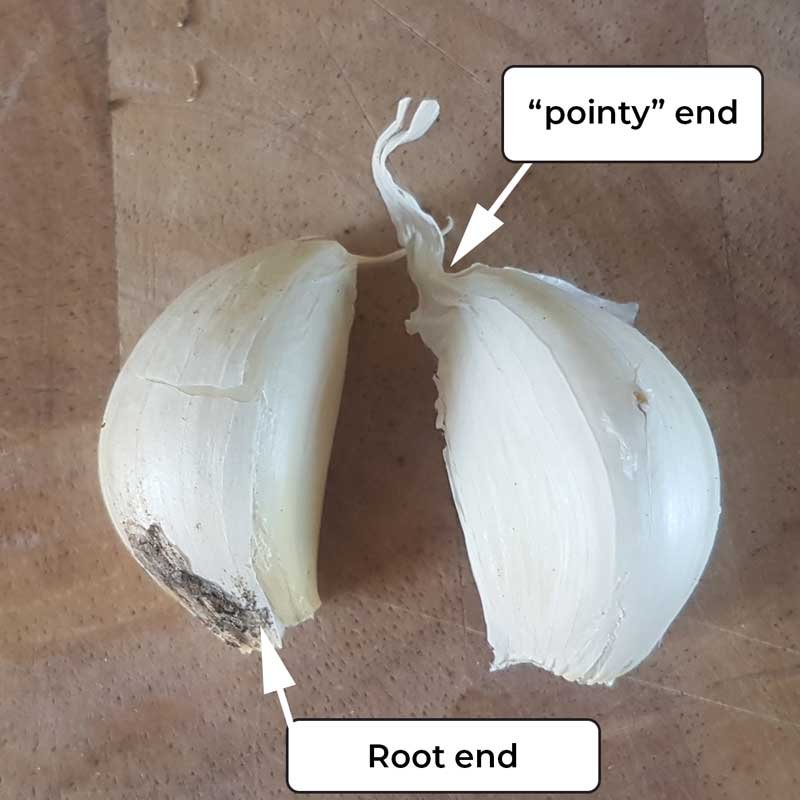
Save the largest cloves from around the outside of the bulb for planting. Eat the annoying little cloves in the middle.
Plant each individual clove (skin on), with the pointy end up, about 2cm under the surface of the soil. Space them 20-30cm apart to help prevent rust later on in the season.
Ginger
Another summer-grower, but also quite happy indoors. The easiest and cheapest way to get started is with a piece from the supermarket.
If you live in the northern parts of the country (Northland, Auckland, Coromandel), it's entirely possible you can grow it outside.
But due to the invasive nature of the ginger family, grow it in a container.
Onions
If you plant an onion, you will not get lots of onions like you do with garlic. But if you happen to have one that's sprouted in the pantry, planting it could still be a good idea. Bury the bottom two-thirds of the onion (skin on) into the soil. Make sure the root-end faces down. Keep the top-third above the ground.
After about 4 months you will get a pretty flower. That flower will bring the bees to your yard.
Over the course of a couple of months, it will grow hundreds of onion seeds. Onion is a seed which is best-planted very fresh, so once you've got it, use it to start onions between spring and autumn.
Or, just plant the onion in the center of your garden, you can just weed the ground around it and let it self-seed.
The seed will take another 6 months to produce an onion, so this is a long-term project.
Pumpkin
If you have a whole or partial fresh pumpkin, scoop out the seeds and put them into a jar. Half-fill the jar with water and loosely put the lid on.
The seeds will begin to ferment. Shake the jar once a day for two days, then pour out into a colander and rinse.
The pulp around the seeds should now come off cleanly. Dry the seeds in one layer on a flat tray in a warm place (hot water cupboard, or on top of the fridge will do). Store in an envelope or ziplock bag in a dark cool place until spring.
Pumpkin seeds
"Pumpkin seeds" (the kind you purchase as whole seeds and eat) may also grow a pumpkin, but they will grow a different kind of pumpkin.
The pumpkin they grow will be one that is harvested for its seeds, rather than its flesh. These are called 'hull-less' seeds as they do not have the thick outer layer that 'edible' pumpkins do.
You can eat a hull-less pumpkin, but it might not be as good as a regular pumpkin for eating as they're specifically bred for seed production.
In the fridge
Finally, there's a few tricks to growing stuff you'll find in your vege bin. From here, you can actually re-grow some vegetables. Others will provide you seeds for next summer.
Leeks, spring onions, and whole celery
Save the root-end of the vegetable when using it. You can re-grow an entirely new one from this single piece. Simply place root-down in a glass of water on the windowsill.
Change the water at least weekly, but more often is better. They'll begin to re-grow in days.
Capsicum and tomato
The fresh, ripe produce of these plants both contain fresh, mature seed.
Capsicum are really easy to save—just leave the bit from the middle with the seeds attached on a saucer in a warm place to dry out.
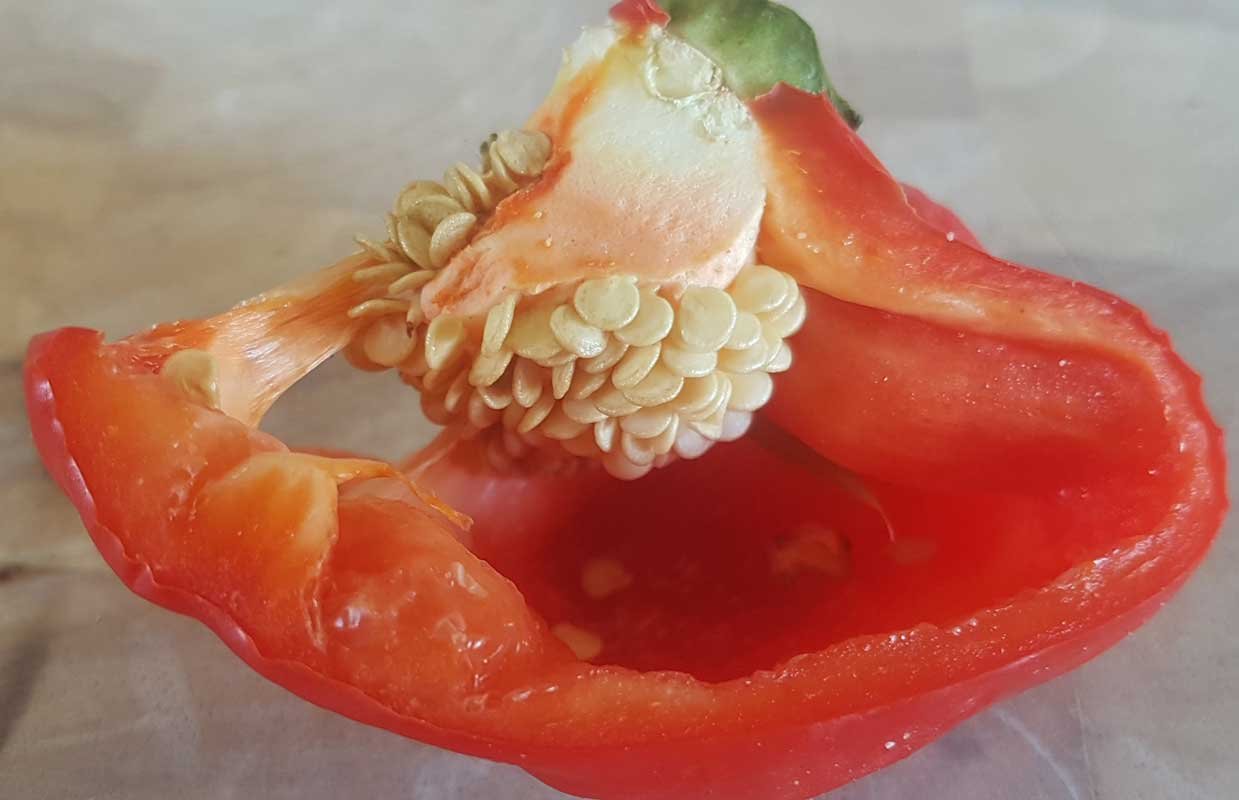
In a week or two, they'll fall off cleanly and can be saved for spring. Store in an envelope or zip-lock bag dark, dry, cool place.
Tomatoes are another plant that is going to grow best from spring, so you'll need to save the seed. You'll need to remove the pulp from the seed or it'll inhibit the growth.
Carrots
Did you ever grow a bushy carrot top from the top end of a carrot in school? You can do it again today, but much like onions, you're going to get carrot flowers, and then carrot seeds, rather than a brand new carrot.
Just like onions, carrots prefer to grow from fresh seed, so growing your own seed works well.
Carrot flowers will attract beneficial insects and pollinators to your garden. Carrots and onions grow well together, so you could plant them side-by-side and have a self-seeded carrot and onion bed this time next year.
A note on fruit
After all this, you might be keen to start an avocado, apple, or lemon tree from seed too. They may certainly grow, but you won't always get a viable tree as a result.
While this is really fun to experiment with, it's going to take many years. And I'd recommend you do some research on how these trees grow from seed first.
READ NEXT
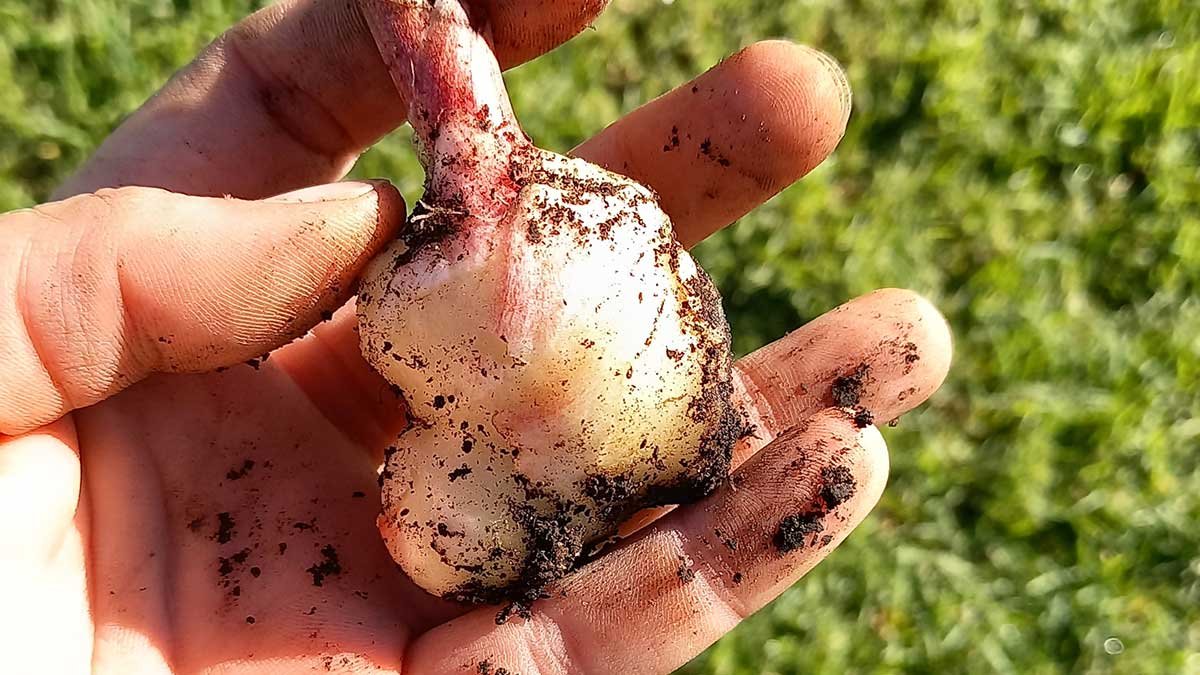
How to grow ginger (Zangibar officianale)
Pop it in a pot and watch it grow. Is it really that simple (yes).
READ NEXT
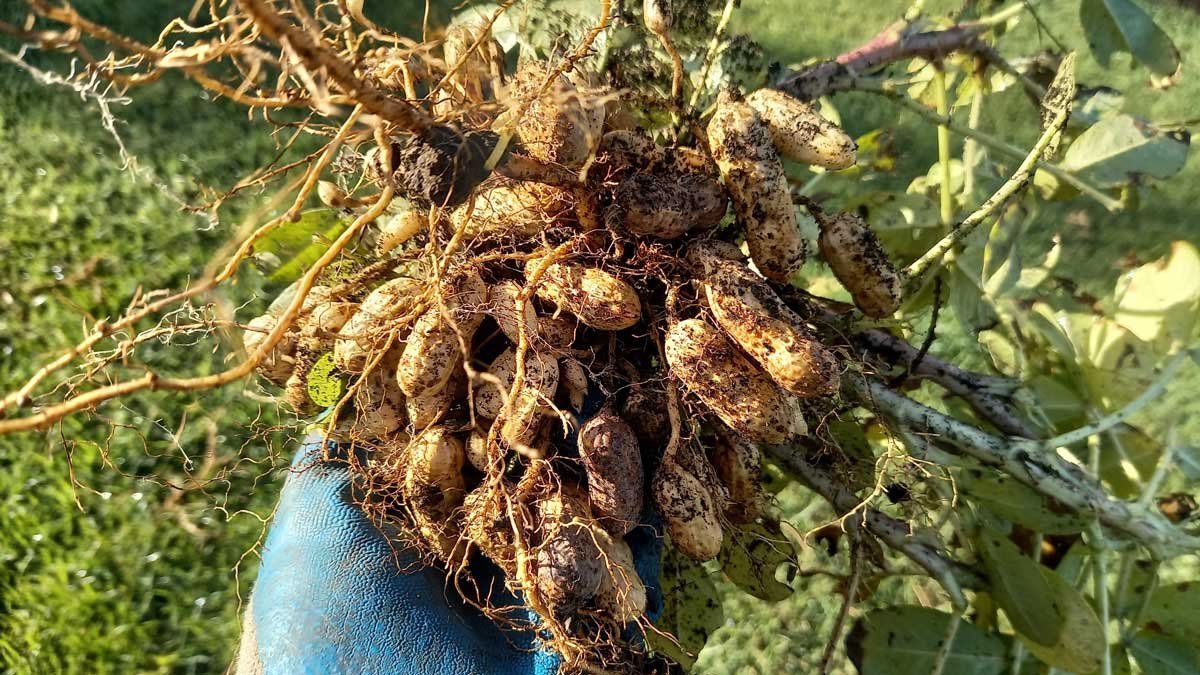
Growing peanuts in New Zealand
A new-ish plant for Kiwi gardens that starts with a raw peanut.
Stay in touch?
The Kat's Garden newsletter gives readers an extra peek behind the scenes. It's the best way to know when new posts go live, and what's happened since.
If you like what you've seen, join us and see what we learn next.


Ohhh I enjoyed this one!!! Great tips and tricks.