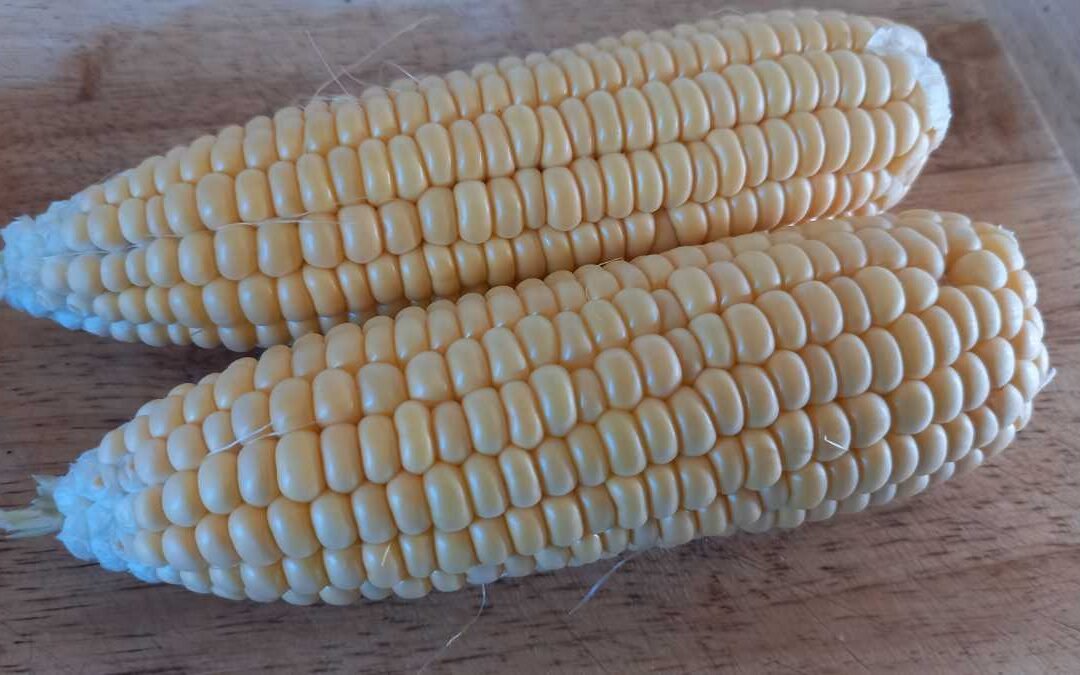
On a trip to New York many years ago, I went flying over the handlebars of a bicycle in Central Park, smashing my face into that iconic pavement.
It meant half a day of my eleven-day trip spent in a waiting room for an emergency dentist appointment, and a wonderful dentist who saved my two front teeth. It also meant I couldn't eat sweetcorn on the cob for the next 5 years.
And it's the story I remember and repeat to myself each year when I bite into the first corn cob of the season.
I'll never not appreciate how much I enjoy it, and how lucky I am to be able to eat it that way again.
So naturally, sweetcorn was one of the first vegetables I began growing when I got a garden. But it wasn't always smooth sailing. Sweetcorn needs a good supply of water, which is a resource we conserve in my garden.
It's also got one particular pest which I've had real trouble with over the years.
Some years I don't bother growing corn because it just seems simpler to buy it in season. But there really is nothing like a fresh cob of sweetcorn directly from the garden to make you appreciate summer.
Jump to section
1. Types of corn
2. Buying sweetcorn seeds
3. Preparing to plant sweetcorn
4. Sowing sweetcorn
5. Interplanting crops with corn ('Three Sisters')
6. Pollinating corn
7. Hand pollinating corn
7. Wind protection
8. Common pest: tropical armyworm
9. How to tell if your sweetcorn is ripe
Types of corn
Corn (Zea mays) is a type of grass. Over thousands of years, (mostly indigenous) people have bred it into what we recognise on our supermarket shelves today.
But even today there are different kinds of corn you can grow. Aside from the sweet varieties most commonly available to consumers, maize is good for using ground into flour, or as stock feed; while popcorn is bred for popping (and there are several varieties of both available to home gardeners).
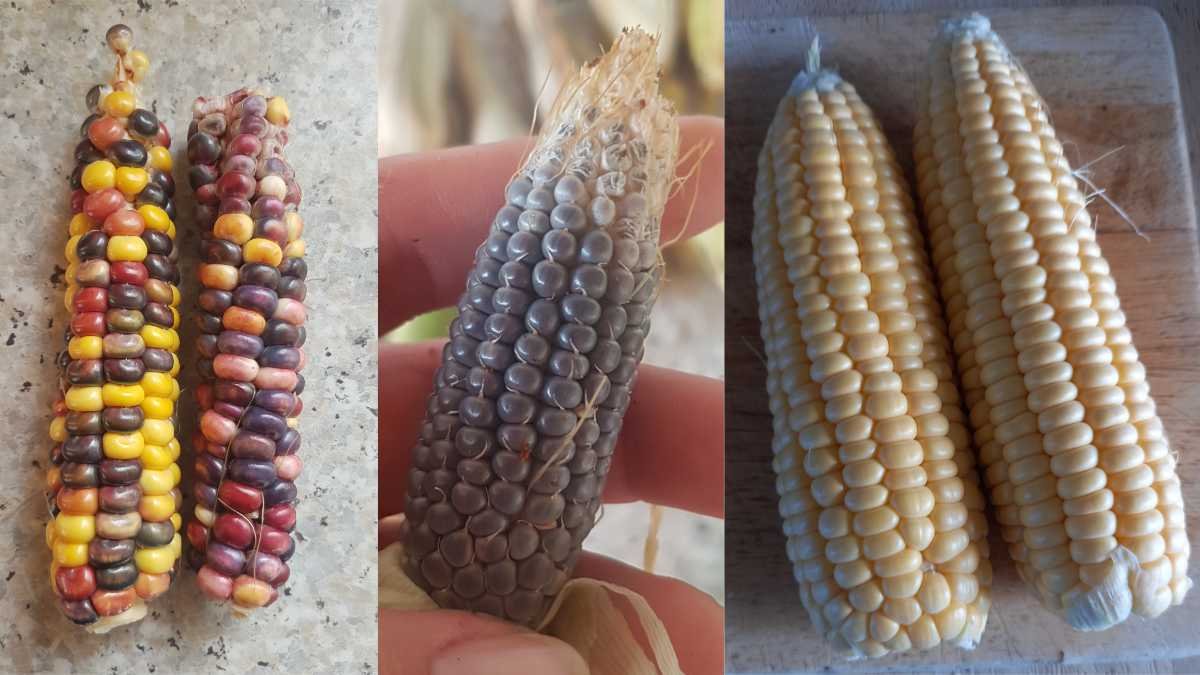
Left to right: Painted Mountain corn, Black Popping corn, Supersweet corn.
Corn isn't always yellow—many of the maize and popcorns available to the home grower come in a range of colours—purple, white, red, brown, black.
They can be really attractive, as well as delicious! In terms of the vegetable, most people seem to prefer sweetcorn. Over my lifetime, that's actually evolved into a new breed again: supersweet corn.
Supersweet corn takes longer to convert the sugar in the sweetcorn to starch. This means the 'good eating' window is a bit bigger. The corn is sweeter and more tender for a longer period of time.
These varieties have grown in popularity with commercial growers since the 1980s. Now, practically every cob of fresh corn available in produce stores is a 'supersweet'.
Sweetcorn plants usually produce one or two cobs of corn each, while maize and popcorn can produce up to six! The number of cobs produced (and their size) is typically determined by the nutrients in your soil.
Healthy soils with good levels of organic matter produce the best sweetcorn.
Buying sweetcorn seeds
Make sure you have fresh seed. Older seed is less likely to germinate.
Look through the Kings Seeds or Egmont Seeds catalogues and you'll probably notice that most, if not all, of the corn varieties include the code 'F1'.
This indicates they are hybrid seed, and you cannot save seeds from these varieties.
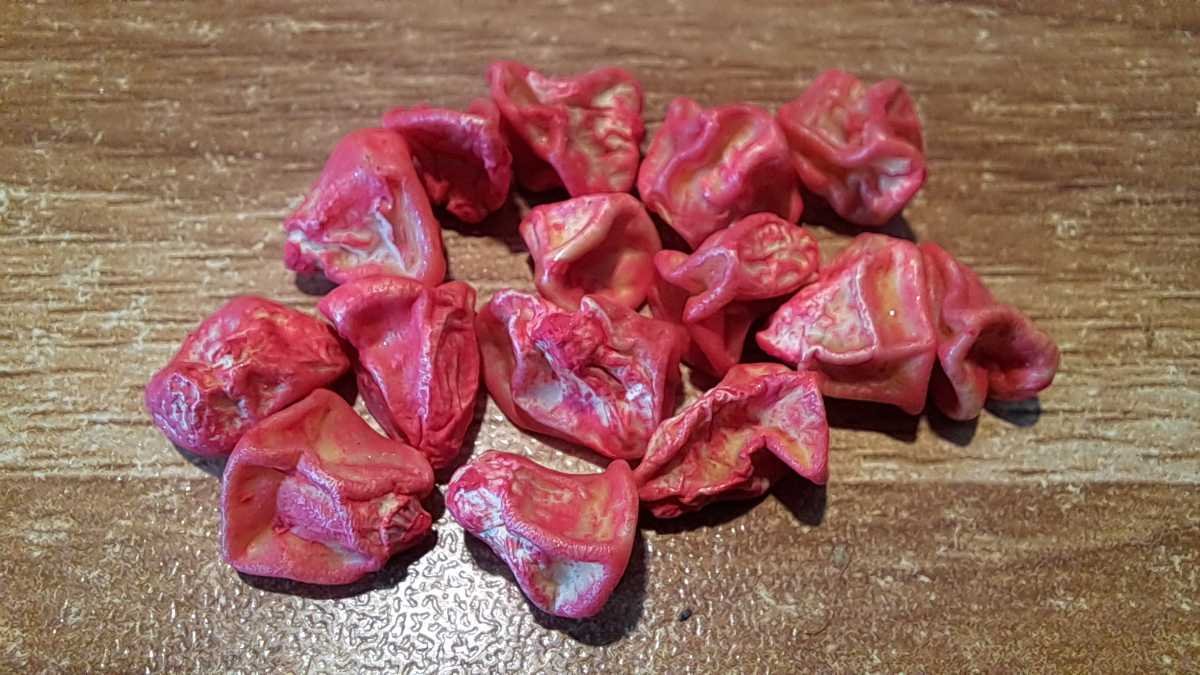
They're also likely to come covered in a pink or blue dust—this is a fungicide. The seeds are treated to ensure no nasty diseases are imported from the seed producers.
If you're looking for heritage or organic varieties, Setha's Seeds and Kōanga Institute both carry varieties that can be saved. But it won't be the supersweet varieties you're used to buying in the produce department.
Personally, I've enjoyed growing Early Marika from Egmont Seeds for the last couple of seasons. It's pretty quick to grow, which would be especially important in regions with a shorter summer.
For us, planting this early variety alongside a longer-maturing one like Honey N Pearl allows us to stagger the harvest a little bit. We also enjoy the flavour. So I grab a packet each year knowing it's one I'll just have to keep buying for as long as I want to grow it.
If you're looking at the seeds in the garden centre and thinking "that's a bit cheeky" (and at $8 per packet at mine, I certainly did!), head on over to Egmont Seeds where they're $4.00, there's no minimum purchase, and you'll get a packet of bonus seeds too.
Preparing to plant sweetcorn
I don't plant my sweetcorn inside for transplant, instead choosing to sow it directly into the garden. I just don't think it ends up growing that well when it's transplanted.
Germinating seed directly in the garden is less controlled, and therefore less reliable. But in my experience, it results in way better sweetcorn.
Choose a warm, sunny spot. Sweetcorn prefers warm weather and in most of the country, can be planted directly into the garden from late October.
Sweetcorn is a hungry plant. It pays to begin work on that ahead of time by adding organic matter to the bed you plan to plant a few months in advance.
Add things like well-rotted manure, compost, garden pellets, and/or blood and bone. Give it a few weeks to incorporate before planting.
Corn prefers a soil temperature of at least 16°C for treated seed, but 18-20°C is better. Depending on your variety, it will take 3 to 4 months to mature, meaning those in the warmest areas of the country can keep sowing into January.
It's worth noting that if you're planning on growing supersweet corn and a popping corn or maize, that each crop should be planted at least two weeks apart. This makes it unlikely the corns will cross-pollinate.
That's important for heritage corn if you plan to save to get a seed true to its parent. But if supersweet corn is pollinated by a non-supersweet variety, it can leave the cobs starchy and unpleasant to eat.
Sowing sweetcorn
The first step to perfect cobs of corn comes when you sow your seed. The shape of your sweetcorn crop, in part, determines how well-filled those cobs will be. Perfect corn is usually planted in blocks.
Corn is wind-pollinated, and should be sown in blocks of at least 16 plants. This will improve pollination to ensure juicy, even, fat cobs with no missing kernels.
Random single corn plants around the garden, or single rows against the fence won't get the same result as a block of 16-20 plants.
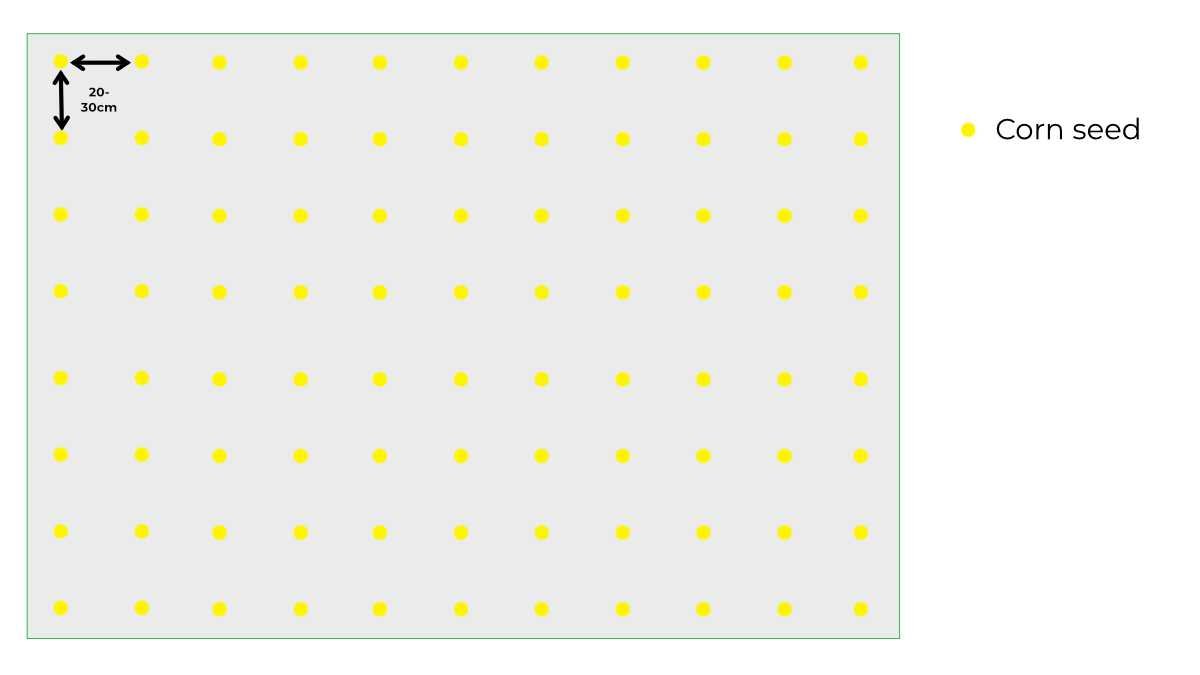
Sow your seeds 20-30cm apart by burying them about 25mm below the surface (about as deep as your first knuckle), then covering with soil. Water in well. You should begin to see germination within 10-14 days.
I often plant two seeds per spot. For some reason, I get better germination that way. If I just plant one seed, they seem to get really patchy, even with fresh seed. You can 'thin out' the weaker seedlings later on, to reduce competition for resources and get larger cobs, but I don't usually bother.
Irrigation will help at this point, so install it now if you'll be using it. Sweetcorn does better with lots of water available to it.
Once the stalks are 15-20cm tall, lightly mound the base with some soil (to about 10 to 20mm) to ensure the roots are properly covered, and mulch.
I use rotted lawn clippings as my main source of garden mulch. This ensures stability so they don't go falling over, preserves moisture, and can provide some extra nitrogen to the plants.
Inter-planting crops with corn ('Three Sisters')
Indigenous groups in the Americas developed a system called 'The Three Sisters', where corn is interplanted with beans and squash or pumpkin.
The idea is that beans can use the corn stalks as climbing poles. They also fix nitrogen into the soil to support the corn's growth. The pumpkin acts as a living mulch on the soil, holding moisture.
To make this work, sow beans between your sweetcorn plants at the same time. Add a pumpkin seedling or two a bit later on. The bed shown below has three.
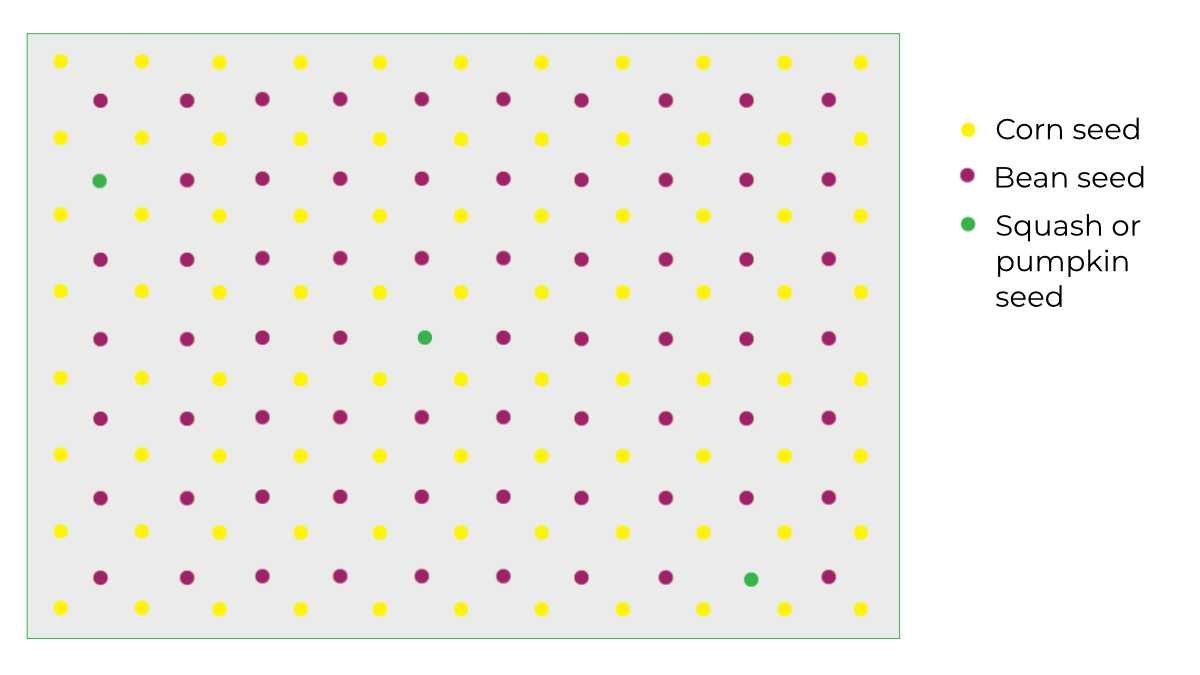
Do note that this method is generally easier to pull off with corn and beans harvested all together at the end of the season for winter storage (e.g. maize, popping corn, and dried beans).
The Three Sisters system tends to be more about one big autumn harvest, than fresh summer eating.
Getting through the pumpkin and beans for a cob of fresh juicy supersweet corn can be troublesome. It's not impossible, but you are planting a whole lot of stuff in the way of it!
It's much easier to harvest everything together at the end of the season when it's ready to be stored for winter.
So if you're doing this, it's best to choose a heritage corn variety designed to be harvested dry, rather than a modern supersweet hybrid.
Pollinating corn
The real secret to fat juicy cobs of sweetcorn is to ensure even pollination.
If you've ever grown corn that was 'patchy' without evenly developed kernels, then this is what went wrong.
The feathery bit on top of the corn plant is where you'll find the pollen. It's the 'male' part of the plant. They're called the 'tassels'.
Pollen from the tassels needs to connect with each of the strings coming out of the end of each cob in order to pollinate the plant.
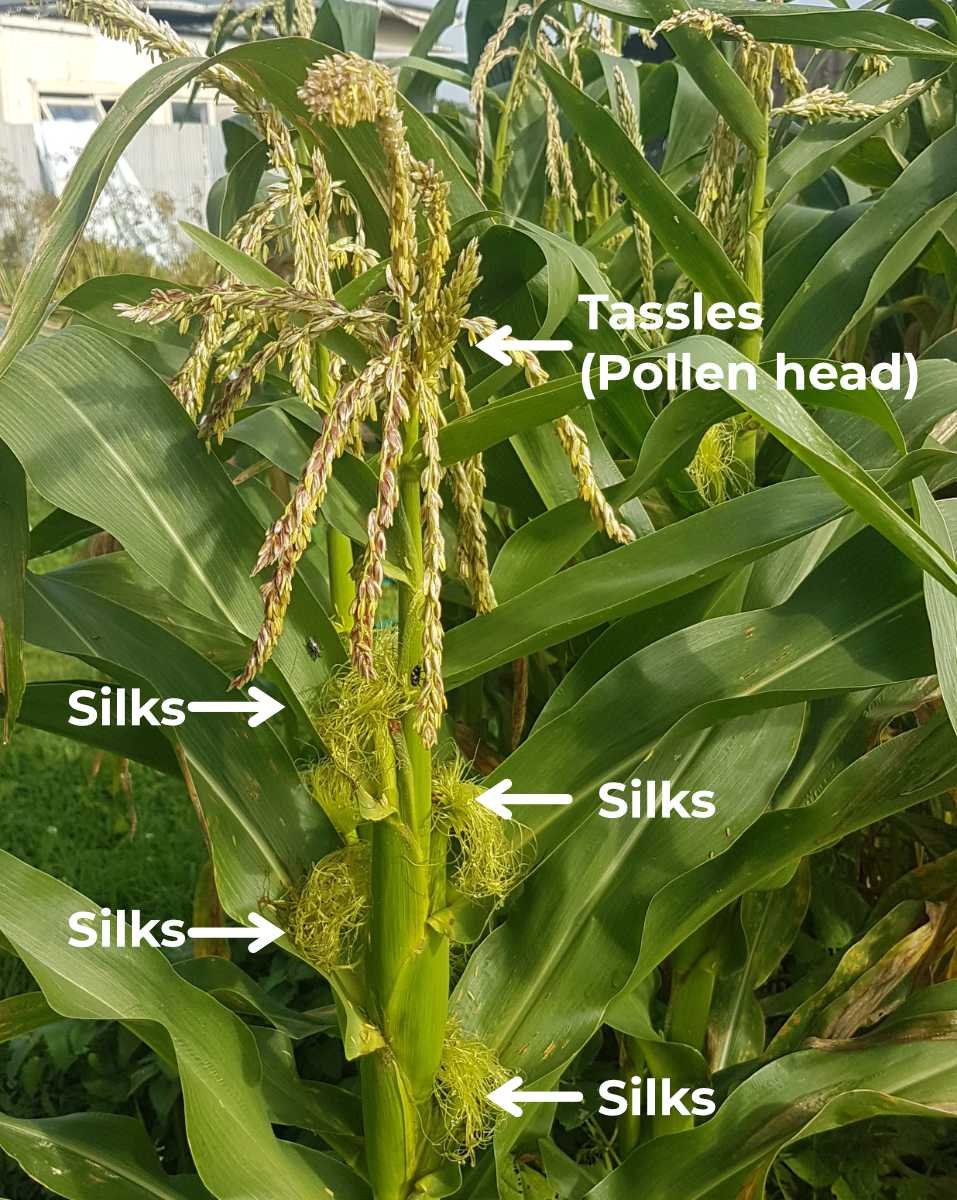
Each of these strings—or silks—corresponds to one corn kernel on your final cob.
Once the silk makes contact with the pollen from the tassels, the kernel is pollinated, and begins to swell and ripen. Pollination needs to happen to every silk in order to get full cobs of sweetcorn.
If it is not pollinated, then that kernel never swells, and you end up with those gaps in your corn cob.
Nature uses wind to do this, which is why planting in blocks is important. In paddocks filled with maize, it does a good job. But in smaller home gardens there is a higher chance of failure simply because there is less pollen over a smaller area.
To be completely sure you're going to get a good cob, you may want to intervene on nature's behalf.
Hand pollinating corn
Hand pollinating your corn involves running your hand over the pollen at the top of the stalk, and then gently rubbing the silks at the end of each cob.
Your hand collects the pollen and is transferring it to the silks. Your goal is to make some pollen from one plant touch each of those strings on the next plant.
The plant won't produce more pollen, so try to be efficient with your use. If you wait too long, the wind will blow it all away as well.
The tassels usually start shedding pollen just before the silks appear.
Wind protection
If you've planted your sweetcorn in blocks, then wind protection can be achieved with four stakes and string.
The first layer of wind protection is ensuring your plants are well-anchored into the ground with a small (1-2cm) mound of soil around each plant.
Then, once your plants reach about a metre in height, place a 1.5 to 2 metre stake in each corner of your block. Knock the stake in so 1 to 1.2m of stake is left above the ground.
Then run two lengths of string around the entirety of your block at the top and bottom of each stake to create a fence around your block.
The string will corral the sweetcorn together, and the plants will support each other within the block without falling over too much.
Common pest: tropical armyworm
One pest which regularly hits my sweetcorn crops is tropical armyworm (Spodoptera litura).
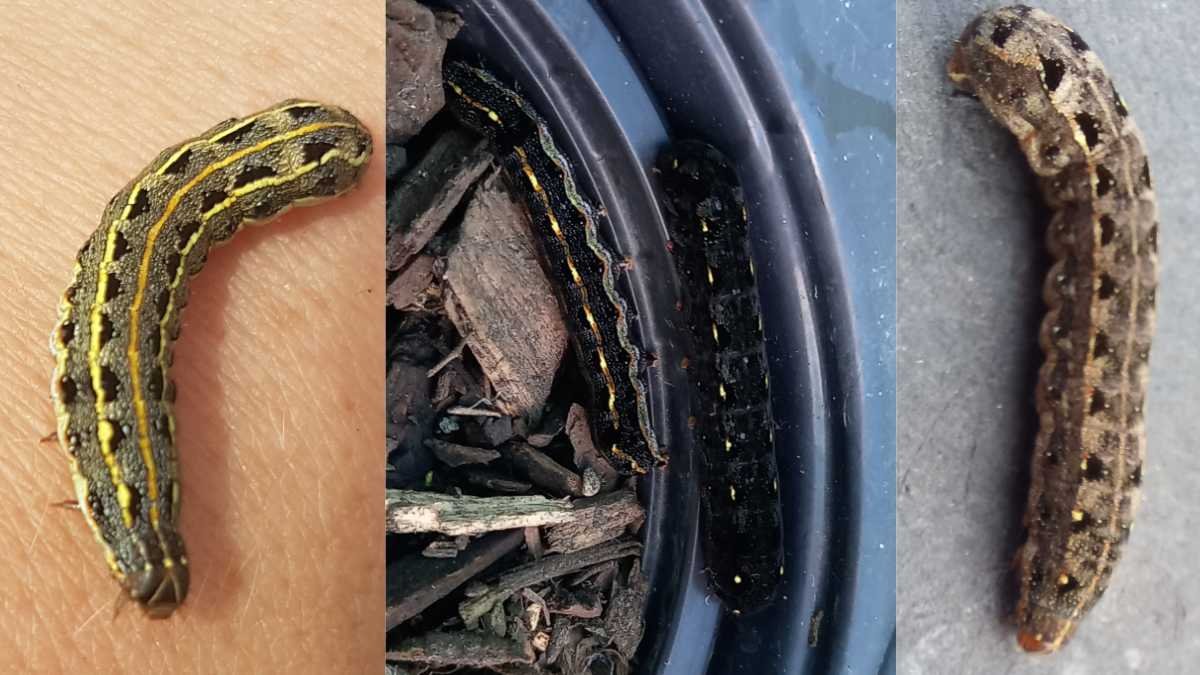
As a juvenile caterpillar, these garden pests will burrow into your crops mostly undetected. They're not too fussy about what they'll eat.
While corn (and maize) is a regular and reliable target, I've found them in capsicums, tomatoes, and even eating my peanuts!
The problem for the home gardener is that because they prefer to live inside your produce or under the soil, it's difficult to kill them with pesticides or pick them off manually.
The best form of protection is a barrier. Insect netting works an absolute treat, but building a protection tent large enough for a block of corn isn't accessible or practical in most situations.
Thankfully, you can form a spray barrier on your soil with ingredients from your kitchen.
Crush 6 cloves of garlic.
Add 2 tablespoons of dried chilli flakes (the hotter the better for this).
Soak in 500ml boiling water overnight.
In the morning, strain and add a squirt of dishwashing liquid.
Spray directly on the soil to form a barrier around your plants. Refresh after rain.
Armyworm tend to travel over soil at night.
This barrier seems to repel them from reaching the plants it protects.
How to tell if your sweetcorn is ripe
There are two external signs that a cob of sweetcorn is ripe:
- The cob will sit at a 45º angle away from the stalk. To begin with it will be almost vertical, but as the cob plumps up, the angle changes.
- The 'silks' at the end of the cob will be black/dark brown.
When you identify both these changes in your cobs, it's time to check for ripeness.
Gently peel away enough of the papery skins until you expose a kernel. Poke it with your fingernail. The liquid that comes out should be milky white. If it is clear, it's not quite ready. Wrap it back up and check it again in a day or two.
If it's ripe, pull it down and twist away from the stem. It should come off easily.
Have fun!
Remember, sweetcorn needs a lot of water, so make sure it is regularly irrigated if it's a dry summer.
If your plants are yellowing, they'll want some nitrogen: sweetcorn is a grass, and a heavy feeder. Planting alongside beans will help this to an extent.
Otherwise, once you've set them up, it's mostly about letting them do their job, and making sure you're checking the ripeness.
They do have a habit of sneaking up on you, and waiting too long (at least, with the supersweet varieties) can mean you have a starchy cob of corn, which is not that fun to eat.
But nothing beats a fresh cob of corn lightly charred on the barbecue or plunged briefly into hot water to heat it up.
Fresh out of the garden is the best corn you can get.

READ NEXT
Growing food from kitchen scraps
Looking at all the things you can grow without setting foot in a garden centre.

READ NEXT
Companion planting
Does companion planting actually work? Why don’t the lists agree? The science behind which plants help each other, and which ones don’t.
Related content: armyworm · companion planting · direct sowing · gardening advice · garlic spray · how to · pest control · pests · pollination · spring gardening · summer gardening · sweetcorn · three sisters · vegetable garden · wind protection
Stay in touch?
The Kat's Garden newsletter gives readers an extra peek behind the scenes. It's the best way to know when new posts go live, and what's happened since.
If you like what you've seen, join us and see what we learn next.