
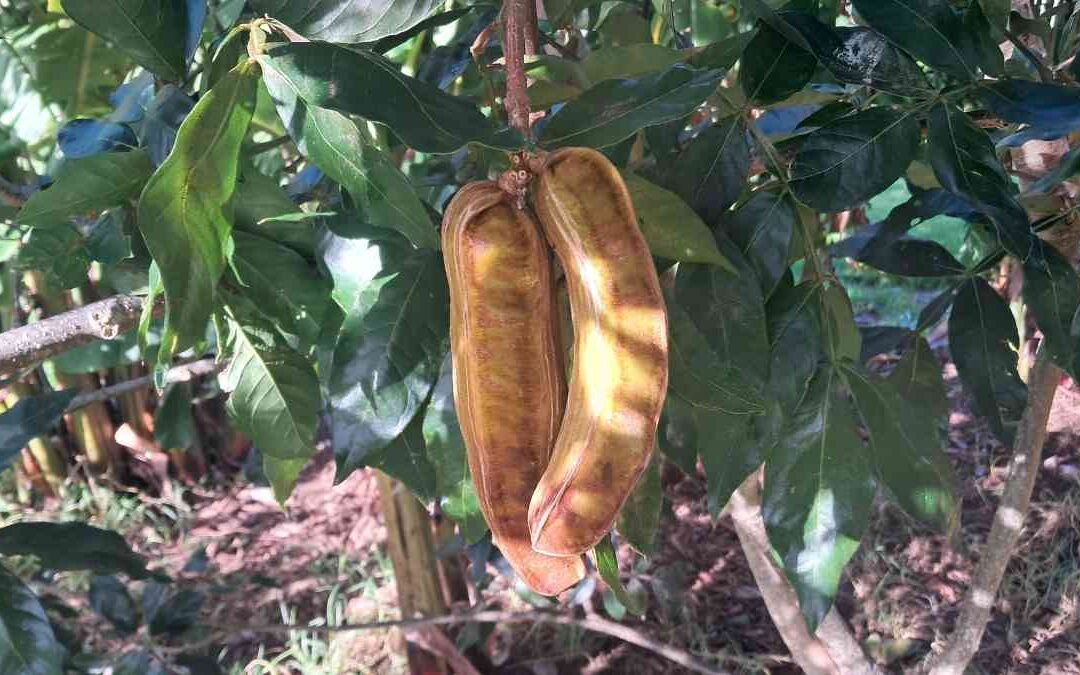
When we moved here, the original owners left us a collection of plants. Among them were some Inga edulis (inga bean) trees. This tree is also known as the "ice cream bean", with the pulp reportedly tasting like ice cream.
It's a popular tree for permaculture food forests because as a member of the legume family, inga trees can fix nitrogen into the soil. And they provide ideal shading for other plants in the food forest system.
A year or so after we planted the bananas, we added the inga trees between the bananas, and the tagasaste and natives protecting them from northerly winds.
Then they spent five years doing precisely nothing.
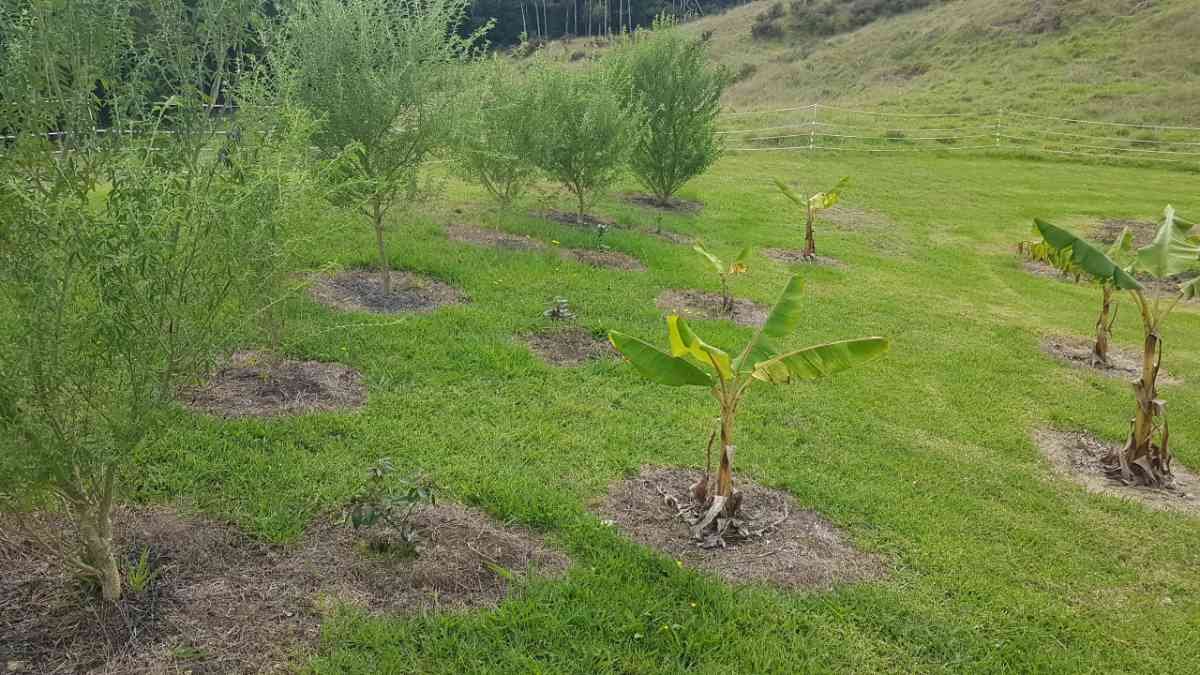
Or so I thought.
Somehow, without me noticing, those trees had reached for the canopy. And one morning earlier this year, I discovered a surprise crop of inga beans!
No time for distractions
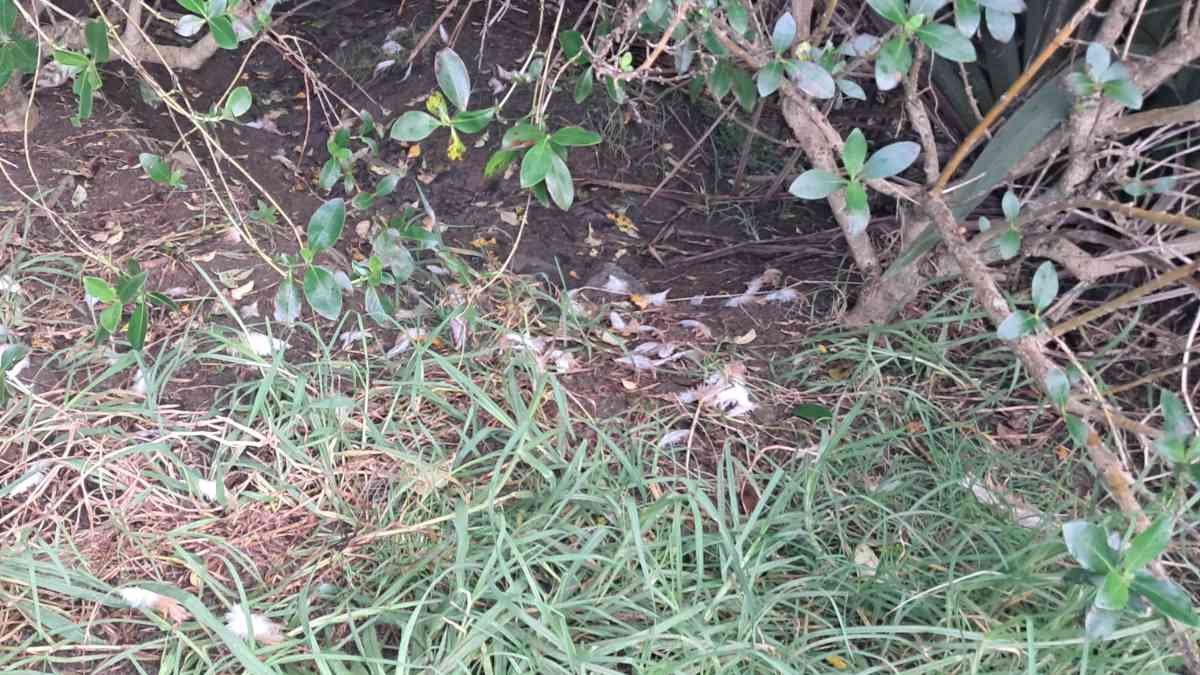
It was already a busy morning for me, but then our chickens got attacked by a neighbouring dog. Feathers had flown and upset chickens had made a lot of noise to get our attention.
While Richard returned the dog, I was walking about trying to find where our chickens went.
It was as I was wandering about that I quite literally stumbled across the inga beans on the ground.
Dozens of them. Looking up, I could see them hanging from the trees too.
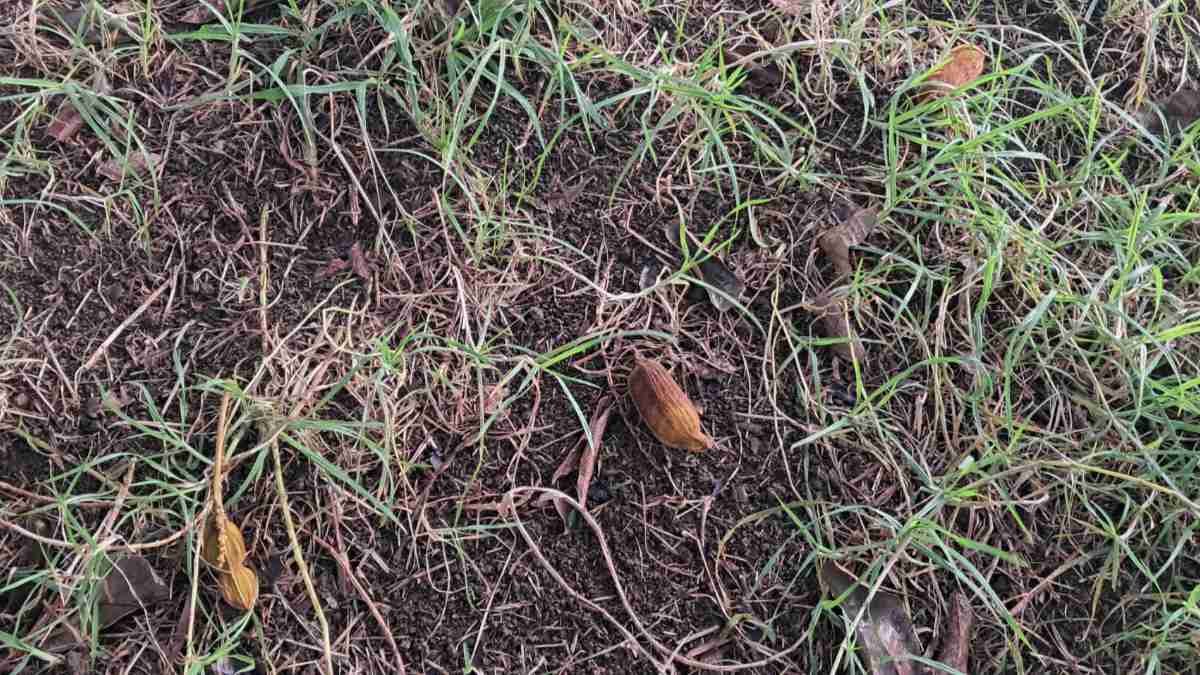
I picked up a small handful—torn between this discovery, and my potentially mortally-wounded chooks. It was a very exciting moment as a plant lady, but also rather inconvenient timing. I stuffed a few into my pockets, and resumed my chicken hunt.
The good news is all the chickens survived. There were ruffled feathers, but Tommy the rooster rounded up his girls, and we eventually spotted all of them.
We have some emergency poultry iodine spray, so when it got dark and the chooks were all in bed, I tended to a couple of wounds. But these events were long enough ago that I know in telling it now that this story is not a tragedy.
The chooks recovered and are still causing mayhem.
Back with a bucket
I returned to the inga trees with a bucket and started picking up inga beans. Richard came out and tried climbing the trees for the ones further up.
And as if I didn't have anything to do before the multiple interruptions to my day, I took them back to the kitchen to figure out what to do with them all.
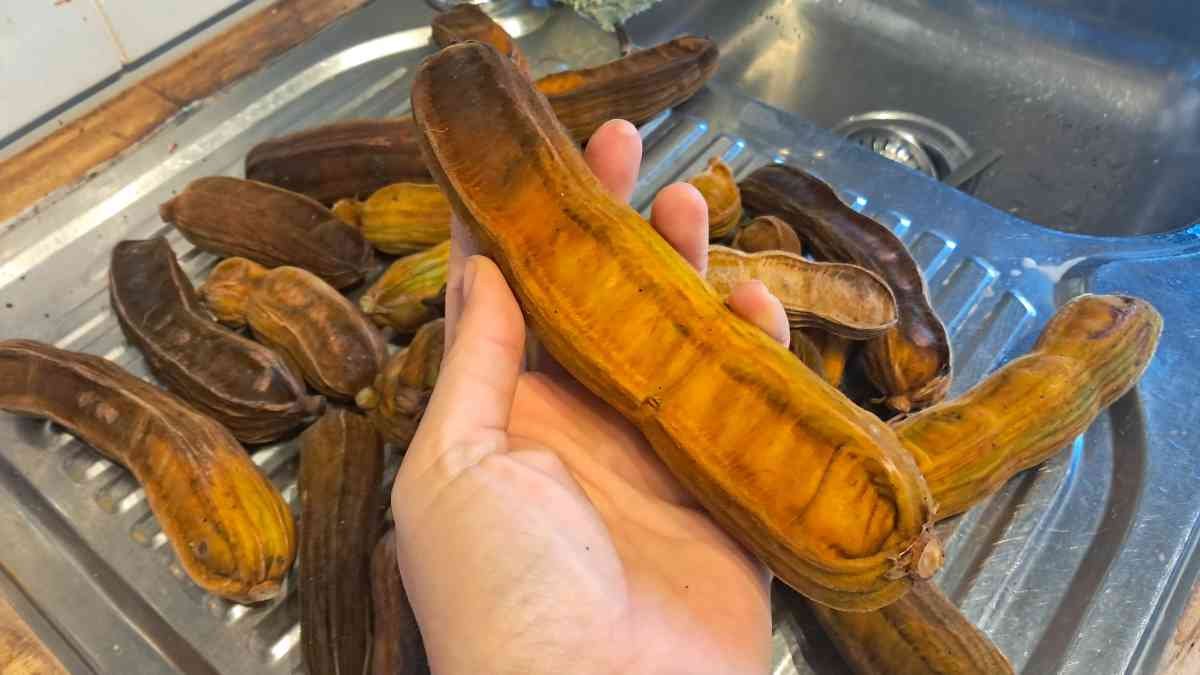
Turned out, I needed a second bucket. We had a truly prodigious inga bean harvest this year.
Unfortunately, most of my beans were inedible. The part people commonly eat is a fluffy white flesh that sits between the bean and the pod. And it turns out that's also the bit that breaks down first.
Because I simply wasn't aware that our beans even existed, I'd missed the best window for eating the flesh on many of them, but there was enough there to sample.
Do inga beans taste like ice cream?
It had been a while since I last looked them up, so I did a bit of research before I stuffed my face. And I'm glad I did.
You see, while the beans are edible, there's a layer of preparation to make them that way. A raw inga bean is likely to give you an upset stomach, and they need cooking before eating. But it's not the bean that earns the plant its nickname.
I did have a few fresh, fleshy pods I could try. After five years growing them, I was excited to finally try a bean that tasted like ice cream.
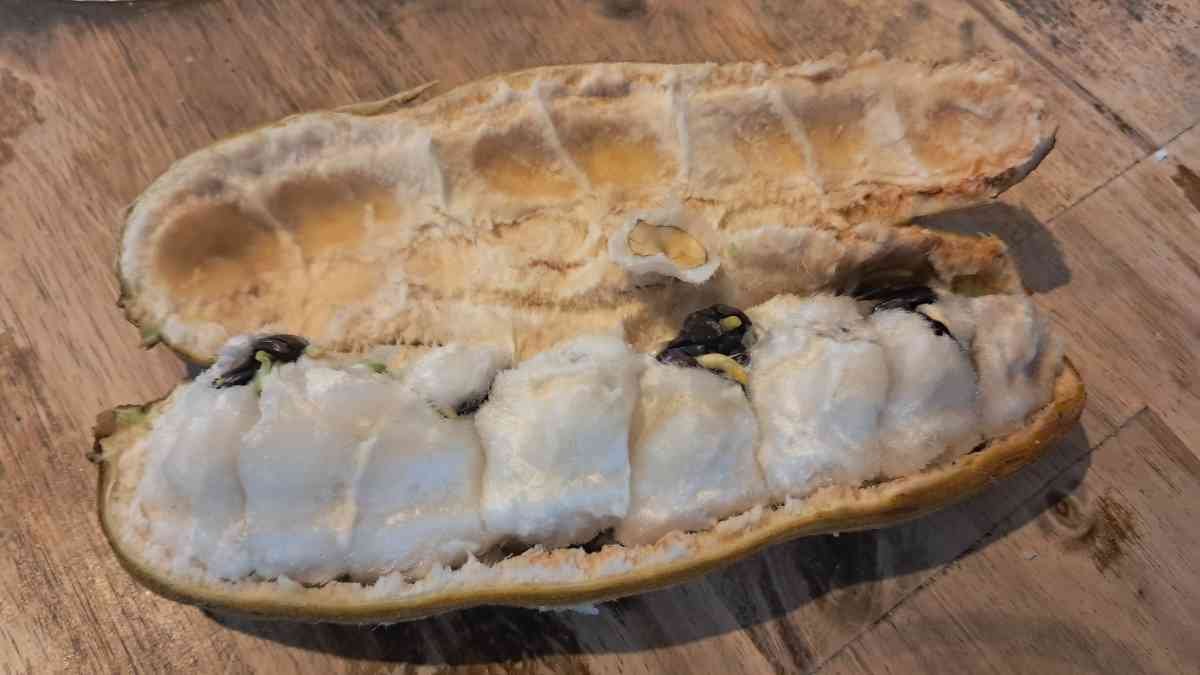
My honest opinion is the only people who would say my beans taste like ice cream, probably haven't tasted ice cream?
It's fluffy, it kind of melts in your mouth, but more like a watermelon than a gelato. It's got a creamy-ish taste, but it's juicy, rather than creamy. It wasn't overly sweet, and it wasn't unpleasant in either taste or texture.
But it really has a very limited number of uses. I couldn't make inga jam, for instance. And the flavour was too mellow to really have much use beyond the fresh fruit experience.
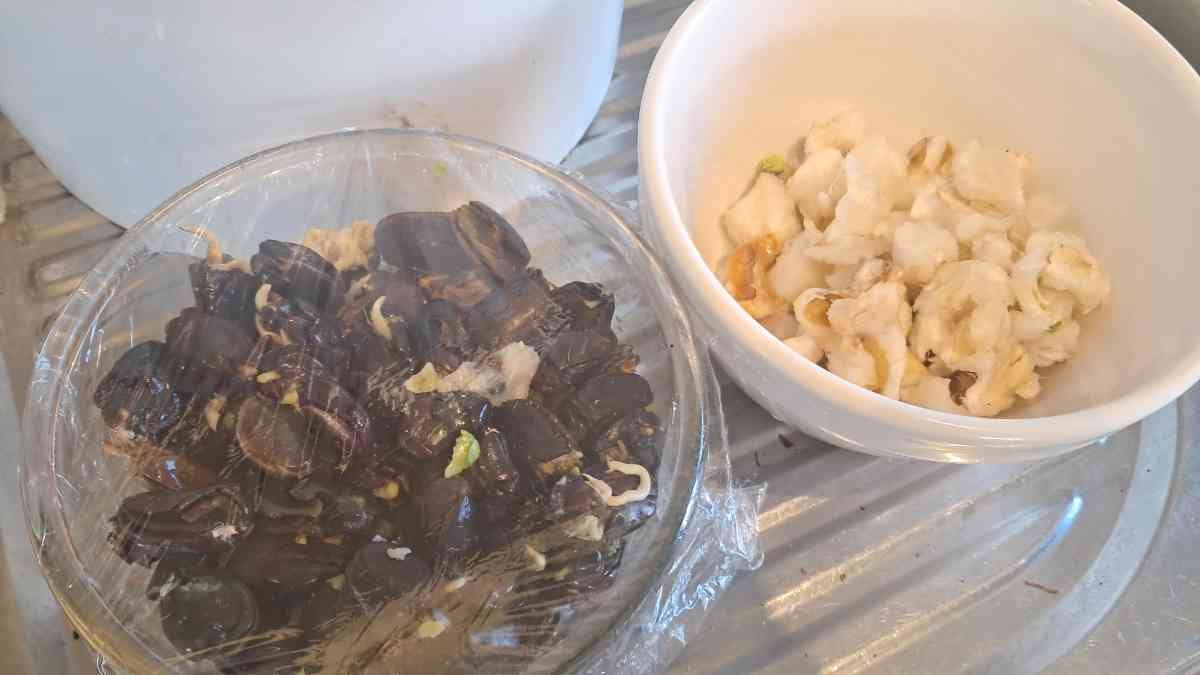
So I found myself with a bowl of beans that appeared to be germinating. And really, there's only one place to go from there.
Growing inga beans
I figured I would throw them in some soil, and see what happened. These trees sell for $30+ a pop in local nurseries. Perhaps I could flog a few at $25?
So I loaded up a couple of trays with some potting mix, threw a few seeds in each cell, and began another long wait.
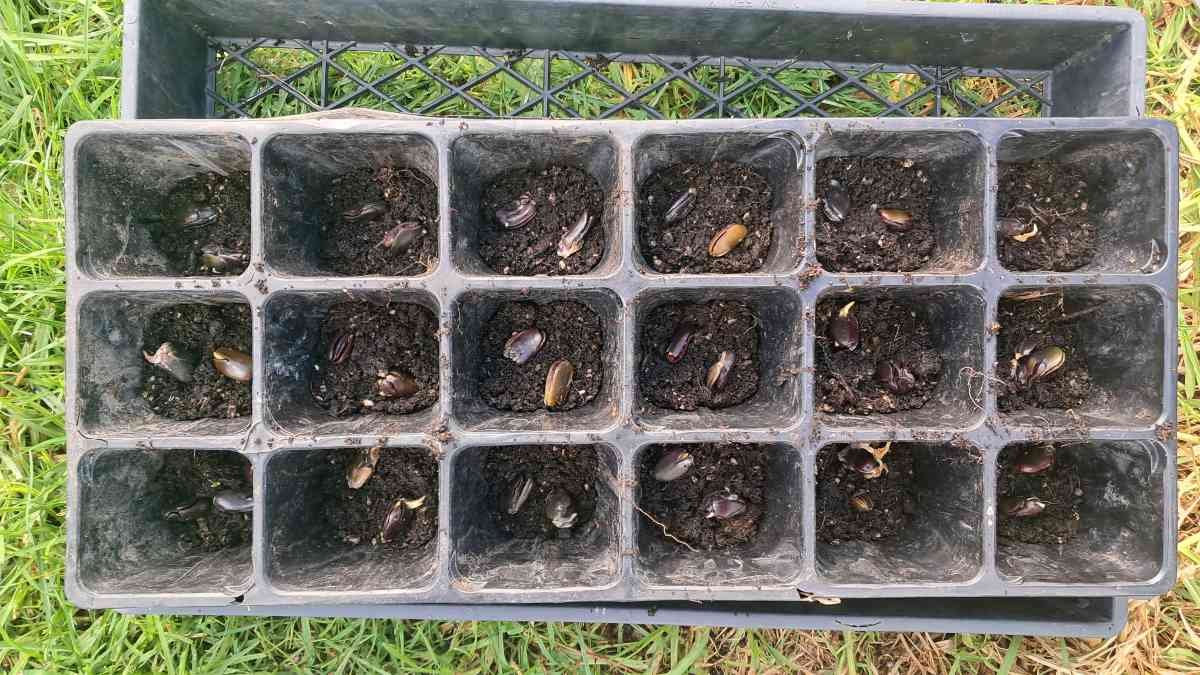
Then last week as I was walking about, I noticed some movement in those trays.
The first inga beans have germinated, and now I appear to have inga seedlings!
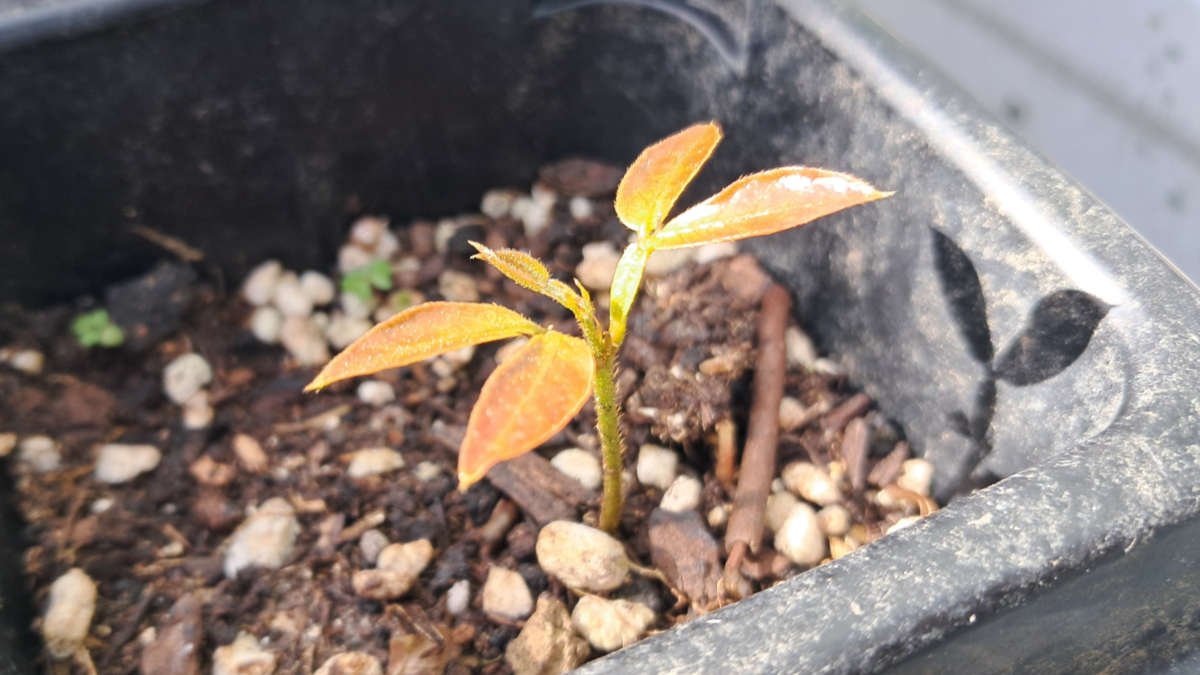
Germination is a little inconsistent. I'm not drafting the Marketplace listing yet. And they might not even make it that far because whether I enjoy the fruit or not, they seem to do well here once established, creating a perfect food forest canopy suitable for raising other plants (like coffee and tea, which I am considerably more interested in), beneath.
It's possible I'll just plant whatever I grow.
But I suppose if you're itching to have some inga beans growing in your garden, let me know?

READ NEXT
5 tips for tidying your bananas
Lessons I've learned while growing and caring for our wee patch of bananas.

READ NEXT
Testing the coffee fruit
Learning how to harvest and prepare my own home-grown coffee.
Related content: #chickenfarm · bananas · chickens · food forest · inga beans · legumes · natives · nitrogen · permaculture · propagation · Richard · seed saving · seedlings · shade · tagasaste · Tommy · windbreak
Stay in touch?
The Kat's Garden newsletter gives readers an extra peek behind the scenes. It's the best way to know when new posts go live, and what's happened since.
If you like what you've seen, join us and see what we learn next.




Hi Kat
I’ve got an inga tree and this year it produced pods. But yes, there’s a short window as they seem to go off quite quick. However. It’s not the beans you normally eat but the fluff around them. I found it Quite mild in taste. Overrated IMO but i think they’re a pretty canopy tree and i planted as well for shade and yes gor nitrogen fixing. Hope this helps : )
https://www.milkwood.net/2015/04/02/foraging-ice-cream-beans-inga-edulis/
It is nice to walk among ingabean trees and pick a pod or 2 to eat the fluff. They are lovely trees to have around. My ones got totally deleafed by that hard frost, now about a month ago. They have not started any regrowth yet but if they were killed, there are many baby seedlings ready to replace them. The seedlings would have been protected at the time. My bananas suffered also but I see regrowth. I can forget about coffee.
I feel you on the coffee. It was shaping up to be such a good season for me until those frosts hit! Our Ingas seem to be well protected by the tagasaste and there’s a little bit of damage around the edges, but neither they, nor the bananas, took too much of a hit thanks to that shelter. Good point on the snacking too. You’re right – it’s a great plant to graze.